Beijing Aputure Light Rental | LED Film & Video Lighting Kits

If you are looking for Beijing Aputure light rental, Shoot In China provides professional LED lighting equipment and full lighting support for film, commercial, corporate video, interview, documentary, and event production across Beijing.

Aputure lighting systems are widely used in modern filmmaking because they combine high output, portability, and professional color accuracy at a practical cost. They are especially popular for corporate interviews, branded content, commercials, and fast-paced production environments in Beijing.

Since 2012, we have supported international production teams in Beijing with lighting rental, grip equipment, camera crews, and full production services.

Beijing Aputure Light Rental | LED Film & Video Lighting Kits

Aputure Light Rental Options in Beijing

We provide a full range of Beijing Aputure light rental packages, including:

Aputure 600D Pro

Best for:

  • Corporate interviews
  • Outdoor daylight simulation
  • Commercial productions
  • Large key light setups

High-output LED fixture designed for powerful and flexible lighting control.


Aputure 1200D Pro

Best for:

  • High-end commercials
  • Feature film production
  • Large studio setups
  • Exterior daylight replacement

One of the most powerful LED fixtures in the Aputure lineup.


Aputure Nova P300c / P600c

Best for:

  • Interviews
  • Branded content
  • Creative lighting design
  • Color-controlled scenes

Full RGBWW control for cinematic mood and creative flexibility.


Aputure Amaran Series

Best for:

  • Small crew productions
  • Social media content
  • Documentary filming
  • Portable lighting setups

Lightweight and fast-deploy lighting for flexible shooting conditions.


Lighting Accessories & Grip Support in Beijing

We also provide full Beijing lighting rental support, including:

  • Softboxes and diffusion domes
  • Fresnel attachments and modifiers
  • Lanterns and light domes
  • C-stands and combo stands
  • Sandbags and safety equipment
  • Flags, nets, and diffusion frames
  • Power distribution and extension cables
  • Wireless DMX lighting control systems

Why Use Aputure Lighting in Beijing?

Aputure is widely used in professional production because it offers:

  • High brightness LED output
  • Portable and fast setup
  • Accurate color temperature control
  • RGB creative lighting options
  • Lower power consumption than traditional lights
  • Strong performance for both studio and location shoots

It is especially effective for Beijing’s fast-moving production environment where speed and flexibility are essential.


Who Uses Aputure Light Rental in Beijing?

Our Beijing Aputure light rental services are used by:

  • Corporate video production teams
  • Advertising agencies
  • Documentary filmmakers
  • Event production crews
  • Social media content creators
  • International production companies
  • Independent directors and DPs

Full Lighting & Production Support in Beijing

We provide more than equipment rental — we also offer full production support:

  • Gaffers and lighting technicians
  • DOP lighting design support
  • On-set lighting setup and adjustment
  • Studio lighting configuration
  • Location lighting design
  • Interview lighting setups
  • Commercial lighting packages

Camera & Crew Integration

Aputure lighting can be combined with full production services:

  • ARRI / Sony / RED camera systems
  • Professional camera crews and DOPs
  • Tripods, sliders, and grip systems
  • Audio recording equipment
  • Bilingual producers and fixers
  • Location scouting and coordination

This ensures a complete production workflow from lighting to final image capture.


Where We Provide Aputure Light Rental in Beijing

We support lighting rental across Beijing, including:

  • Chaoyang District
  • Haidian District
  • Dongcheng District
  • Xicheng District
  • Shunyi District
  • Beijing CBD
  • 798 Art District
  • Zhongguancun Tech Zone
  • Olympic Park Area

We also support nearby production regions in Tianjin and northern China.


Why Work With Shoot In China?

  • Over 10 years of production experience in China
  • Professional lighting and camera rental network
  • Strong bilingual English-Chinese production team
  • Trusted by global brands and agencies
  • Full-service production support from planning to delivery

We make lighting rental and film production in Beijing simple, efficient, and production-ready.


Book Beijing Aputure Light Rental

If you need Beijing Aputure light rental, we can provide fast availability, complete lighting packages, and full on-set production support tailored to your project.

📩 Email: [email protected]

Filed under: BeijingTagged with:

Beijing ARRI Camera Rental | ALEXA Mini LF & ALEXA 35 Hire

If you are looking for Beijing ARRI camera rental, Shoot In China provides professional ARRI cinema camera packages for feature films, commercials, documentaries, interviews, branded content, and high-end production projects across Beijing.

ARRI cameras are widely regarded as the industry standard for cinematic image quality, natural color science, and reliable on-set performance. They are commonly used for international productions that require a premium visual look and stable production workflow.

Since 2012, we have supported international film crews, agencies, and brands filming in Beijing with ARRI camera rental, bilingual crew support, equipment coordination, and full production services.

Beijing ARRI Camera Rental | ALEXA Mini LF & ALEXA 35 Hire

ARRI Camera Rental Options in Beijing

We provide a full range of Beijing ARRI camera rental packages, including:

ARRI ALEXA Mini LF

Best for:

  • High-end commercials
  • Feature films
  • Luxury brand campaigns
  • Fashion and automotive shoots
  • Premium corporate productions

Full-frame cinematic sensor with exceptional dynamic range and natural image reproduction.


ARRI ALEXA 35

Best for:

  • Feature film production
  • High-end advertising
  • Narrative storytelling
  • Broadcast-quality cinema work
  • Complex lighting environments

Known for its advanced dynamic range and modern ARRI color science.


ARRI ALEXA Mini

Best for:

  • Documentary filming
  • Corporate interviews
  • Small crew productions
  • Handheld or gimbal work
  • Multi-camera setups

Compact and versatile cinema camera widely used in professional production environments.


Lens Packages for ARRI Camera Rental in Beijing

We provide complete ARRI-compatible cinema lens packages, including:

  • ARRI Signature Primes
  • Zeiss Supreme Primes
  • Zeiss CP.3 lenses
  • Cooke S4 / Panchro lenses
  • Angénieux zoom lenses
  • Canon cinema lenses
  • Sigma Cine lenses
  • Anamorphic lens sets (on request)

All lens packages can be matched to your camera system and production style.


Lighting & Crew Support in Beijing

To support ARRI productions, we also provide full production services:

  • ARRI Skypanel lighting systems
  • Aputure 600D / 1200D kits
  • Kino Flo lighting setups
  • Professional gaffers and lighting technicians
  • Camera operators and DOPs
  • Bilingual producers and fixers
  • Grip equipment and lighting support tools

We ensure your ARRI production in Beijing runs smoothly from setup to wrap.


Who Uses ARRI Camera Rental in Beijing?

Our Beijing ARRI camera rental services are used by:

  • International film productions
  • Advertising agencies
  • Luxury brand campaigns
  • Feature film productions
  • Documentary filmmakers
  • Corporate video teams
  • Streaming and broadcast productions
  • High-end commercial directors

ARRI is the preferred choice for productions that require premium cinematic image quality.


Full Production Support in Beijing

We provide more than camera rental — we also offer full production support:

  • Camera crews and experienced DOPs
  • Bilingual producers and fixers
  • Location scouting and permits
  • Transport and logistics coordination
  • Lighting and sound technicians
  • On-set production management
  • Post-production editing and subtitles

This ensures international teams can film efficiently and professionally in Beijing.


Where We Provide ARRI Camera Rental in Beijing

We support production across all major Beijing areas, including:

  • Chaoyang District
  • Haidian District
  • Dongcheng District
  • Xicheng District
  • Shunyi District
  • Beijing CBD
  • 798 Art District
  • Zhongguancun Tech Zone
  • Olympic Park Area

We also support nearby production regions in Tianjin and northern China.


Why Work With Shoot In China?

  • Over 10 years of production experience in China
  • Reliable ARRI cinema camera systems
  • Strong bilingual English-Chinese production team
  • Trusted by global brands and agencies
  • Full-service production from planning to delivery

We make filming in Beijing simple, efficient, and production-ready.


Book Beijing ARRI Camera Rental

If you need Beijing ARRI camera rental, we can provide fast availability, tailored ARRI packages, and full production support.

📩 Email: [email protected]

Filed under: ShanghaiTagged with:

Beijing Sony Camera Rental | FX6, FX9 & Sony Venice Hire

If you are looking for Beijing Sony camera rental, Shoot In China provides professional Sony cinema camera packages for corporate videos, commercials, documentaries, interviews, events, and branded content production in Beijing.

Sony cameras are widely used in modern film production thanks to their excellent low-light performance, fast autofocus systems, compact design, and efficient production workflow. They are especially popular for documentary shooting, corporate storytelling, and fast-paced commercial productions in urban environments like Beijing.

Since 2012, we have supported international production teams in Beijing with Sony camera rental, bilingual crews, local logistics, and full production services.

Beijing Sony Camera Rental | FX6, FX9 & Sony Venice Hire

Sony Camera Rental Options in Beijing

We provide a full range of Beijing Sony camera rental packages, including:

Sony FX6

Best for:

  • Documentary filming
  • Corporate interviews
  • Run-and-gun production
  • Small crew shoots
  • Travel and multi-location filming

Compact, flexible, and ideal for fast-moving production environments.


Sony FX9

Best for:

  • Corporate video production
  • Event coverage
  • Commercial filming
  • Multi-camera setups
  • Broadcast-style production

A versatile cinema camera designed for professional production workflows.


Sony Venice

Best for:

  • High-end commercials
  • Feature films
  • Luxury brand content
  • Large-scale productions
  • Cinematic storytelling

Full-frame cinema system with exceptional dynamic range and premium image quality.


Lens Packages for Sony Camera Rental in Beijing

We provide complete Sony lens rental packages in Beijing, including:

  • Sony G Master lenses
  • Zeiss CP.3 cine lenses
  • Zeiss Supreme Prime lenses
  • Cooke cinema lenses (on request)
  • Angénieux zoom lenses
  • Wide-angle, standard, and telephoto sets
  • Matte boxes, ND filters, follow focus systems

All lens packages can be matched to your production needs and camera configuration.


Lighting & Crew Support in Beijing

To support Sony camera productions, we also provide full production services:

  • ARRI Skypanel lighting systems
  • Aputure 600D / 1200D kits
  • Kino Flo lighting setups
  • Professional gaffers and lighting technicians
  • Camera operators and DOPs
  • Bilingual producers and fixers
  • Grip equipment and lighting support tools

We ensure your Sony production in Beijing runs smoothly from setup to final wrap.


Who Uses Sony Camera Rental in Beijing?

Our Beijing Sony camera rental services are used by:

  • International production companies
  • Advertising agencies
  • Corporate communication teams
  • Documentary filmmakers
  • Tech and industrial brands
  • Event production teams
  • Broadcast and media companies
  • Social media content producers

Sony systems are especially effective for fast-turnaround and flexible production environments.


Full Production Support in Beijing

We provide more than equipment rental — we also offer full production support:

  • Camera crews and experienced DOPs
  • Bilingual producers and fixers
  • Location scouting and permits
  • Transport and logistics coordination
  • Lighting and sound technicians
  • On-set production management
  • Post-production editing and subtitles

This ensures international teams can film efficiently and professionally in Beijing.


Where We Provide Sony Camera Rental in Beijing

We support production across all major Beijing areas, including:

  • Chaoyang District
  • Haidian District
  • Dongcheng District
  • Xicheng District
  • Shunyi District
  • Beijing CBD
  • 798 Art District
  • Zhongguancun Tech Zone
  • Olympic Park Area

We also support nearby production regions in Tianjin and northern China.


Why Work With Shoot In China?

  • Over 10 years of production experience in China
  • Reliable Sony cinema camera systems
  • Strong bilingual English-Chinese production team
  • Trusted by global brands and agencies
  • Full-service production from planning to delivery

We make filming in Beijing simple, efficient, and production-ready.


Book Beijing Sony Camera Rental

If you need Beijing Sony camera rental, we can provide fast availability, tailored Sony packages, and full production support.

📩 Email: [email protected]

Filed under: BeijingTagged with:

Chengdu Bilingual Videographer | Local Shoot Support

Need a Chengdu bilingual videographer for a corporate video, documentary, interview shoot, event, branded content project, factory visit, education story, healthcare film, or regional production in southwest China? A local English-Chinese videographer can help your overseas team capture professional footage while keeping communication clear with local contributors, clients, venues, and crew.

Chengdu is a useful production base for stories across Sichuan and southwest China. The city offers strong settings for food culture, lifestyle, healthcare, education, technology, gaming, hospitality, tourism, corporate stories, industrial filming, and documentary production. At Shoot In China, we support international producers, agencies, brands, broadcasters, and corporate clients with bilingual videographer services, local production support, camera crew, equipment rental, and post-production.

Chengdu Bilingual Videographer for International Productions

A Chengdu bilingual videographer is useful when you need a compact local filming solution with English-Chinese communication support. This can work well for interviews, corporate stories, documentary segments, event coverage, remote production, social content, and smaller branded shoots.

We can support:

  • Bilingual videographer services
  • Corporate video filming
  • Interview filming
  • Documentary filming
  • Event video coverage
  • Food and lifestyle filming
  • Healthcare and education stories
  • Technology and gaming content
  • Factory and industrial filming
  • Local fixer support
  • Sound and lighting support
  • Equipment rental
  • Translation and subtitles
  • Editing and post-production

The right setup depends on your project type, schedule, location, crew size, visual style, audio needs, and delivery timeline.

Why Hire a Bilingual Videographer in Chengdu?

A shoot that looks simple from overseas can become more complicated once local details are involved. A restaurant may need owner approval. A school or hospital may need internal permission. A company office may require building management clearance. A public location may not be ideal for tripods, lights, or a visible crew.

A bilingual videographer can help with:

  • English-Chinese communication
  • Basic location coordination
  • Interview setup
  • Contributor communication
  • Local filming guidance
  • Simple schedule coordination
  • Camera and audio planning
  • On-site translation support
  • Rushes delivery
  • Editing and subtitle workflow

For small to medium projects, this can be more efficient than bringing in a larger crew.

Corporate Video and Interview Filming

Chengdu is a strong city for corporate interviews, company profiles, employee stories, customer stories, healthcare videos, education projects, recruitment films, technology content, and internal communication.

A local filming setup can include:

  • Interview camera setup
  • Clean audio recording
  • LED lighting
  • Office or campus B-roll
  • Executive interviews
  • Staff interviews
  • Customer stories
  • Product or service visuals
  • Remote client monitoring where feasible
  • Translation and subtitles

For corporate shoots, preparation matters because interviewees often have limited time. The room, schedule, access, background, sound, and lighting should be checked before filming begins.

Documentary and Field Production

Chengdu works well for documentary stories about food, culture, lifestyle, healthcare, education, technology, social impact, regional development, and everyday life in southwest China.

A bilingual videographer can help capture:

  • Contributor interviews
  • Natural scenes
  • Local streets and neighborhoods
  • Food and market activity
  • Workplace and office scenes
  • School or healthcare environments
  • Cultural details
  • Regional B-roll
  • Small documentary sequences

Documentary shoots often need flexibility. A contributor may change timing, a location may become crowded, or a better story moment may happen unexpectedly. Local language support helps the filming day stay organized.

Food, Culture, and Lifestyle Video

Chengdu is well known for food culture, tea houses, local neighborhoods, music, nightlife, parks, markets, creative spaces, and relaxed urban lifestyle. These subjects can work well for documentary, travel, branded, social, and editorial content.

We can support filming for:

  • Food stories
  • Restaurant profiles
  • Chef interviews
  • Tea house scenes
  • Market filming
  • Local lifestyle content
  • Travel and destination videos
  • Hospitality and tourism content
  • Cultural activities
  • Social media cutdowns

Food and lifestyle filming often benefits from natural interaction, careful timing, and a low-profile camera setup.

Healthcare, Education, and Social Impact Stories

Chengdu and Sichuan also offer strong stories around healthcare, education, community projects, social impact, NGOs, universities, schools, and public service themes.

Production support may include:

  • Interview filming
  • Institution communication
  • Contributor briefing
  • Classroom or campus B-roll
  • Healthcare environment filming
  • Consent and release support
  • Sensitive subject handling
  • Translation during interviews
  • Subtitle and translation support

For these projects, permission and contributor comfort are especially important. The filming process should be clear, respectful, and well organized.

Technology, Gaming, and Business Filming

Chengdu has a growing technology, gaming, digital media, healthcare, finance, education, and regional business environment. A Chengdu bilingual videographer can support company profiles, founder interviews, customer stories, recruitment films, innovation videos, and branded documentary projects.

We can film:

  • Founder interviews
  • Employee stories
  • Office B-roll
  • Product demos
  • Technology company profiles
  • Gaming and creative industry stories
  • Customer case studies
  • ESG and sustainability content
  • Internal communication videos
  • Social media edits

For business and technology shoots, confidentiality can be important. Screens, documents, prototypes, unreleased products, customer names, and internal systems may need to stay off camera.

Factory, Industrial, and Supplier Filming

Chengdu and nearby Sichuan cities can support industrial, logistics, manufacturing, energy, automotive, electronics, and supplier stories. These shoots usually need careful planning around access, safety, and confidentiality.

A local filming team can help with:

  • Factory B-roll
  • Manager and engineer interviews
  • Production line filming
  • Warehouse footage
  • Product demonstration filming
  • Safety and PPE coordination
  • Supplier communication
  • Confidentiality checks
  • Exterior filming where approved
  • Rushes delivery

Factory and industrial shoots should be planned carefully. Screens, labels, drawings, prototypes, technical documents, and restricted areas may need to stay out of frame.

Event and Conference Videography

Chengdu hosts corporate events, conferences, exhibitions, product launches, forums, university events, brand activations, and hospitality events. A bilingual videographer can help cover the event while communicating with local venue teams and organizers.

Event coverage may include:

  • Speaker recording
  • Panel discussion filming
  • Guest arrivals
  • Audience reactions
  • Booth filming
  • Product demos
  • Interview corner setup
  • Event highlights
  • Same-day or next-day edits where feasible
  • Social media cutdowns

Before event filming, it helps to confirm the run-of-show, venue contact, access badges, camera positions, audio feed options, and delivery deadline.

Local Crew and Equipment Support

Some projects only need one bilingual videographer. Others may need additional sound, lighting, assistant, producer, fixer, or photography support.

Crew support may include:

  • Bilingual videographer
  • Camera operator
  • Sound recordist
  • Lighting assistant
  • Photographer
  • Bilingual producer
  • Local fixer
  • Production assistant
  • Driver and van support
  • Drone operator where suitable
  • DIT or data wrangler

Equipment options may include:

  • Cinema camera packages
  • Mirrorless camera kits
  • Interview camera setups
  • Prime and zoom lenses
  • LED lighting kits
  • Wireless microphones
  • Boom microphone kits
  • Tripods
  • Gimbals
  • Monitors
  • Teleprompters
  • Basic data backup tools

For many Chengdu shoots, a compact and mobile setup is more practical than a large production footprint.

Location Scouting and Access in Chengdu

Chengdu offers many useful filming environments, including offices, restaurants, tea houses, markets, creative spaces, universities, hospitals, hotels, factories, logistics sites, residential neighborhoods, parks, museums, event venues, and regional towns.

A local production team can help check:

  • Location suitability
  • Filming permission
  • Management approval
  • Access hours
  • Sound conditions
  • Lighting conditions
  • Parking and loading
  • Power availability
  • Public-space risks
  • Location fees
  • Backup options nearby

A good-looking location is not always a good filming location. Sound, privacy, power, access, background control, and management approval are just as important as the visual style.

Remote Production Support in Chengdu

Some overseas clients need footage from Chengdu without sending their own producer, director, or client team. A bilingual videographer can support remote production when the brief is clear and the filming style is agreed in advance.

Remote support may include:

  • Local crew booking
  • Location preparation
  • Interview setup
  • Contributor briefing
  • Remote viewing where feasible
  • Live client communication
  • Proxy file upload
  • Rushes delivery
  • Translation notes
  • Editing and subtitle support

Remote shoots work best when the shot list, interview questions, visual references, framing preferences, sound needs, file workflow, and delivery format are confirmed before filming.

Regional Filming Across Southwest China

Chengdu is a useful base for productions across Sichuan and southwest China. Depending on the project, we can help coordinate filming in nearby cities and regional locations.

Possible coverage includes:

  • Chengdu
  • Chongqing
  • Mianyang
  • Deyang
  • Leshan
  • Yibin
  • Luzhou
  • Dujiangyan
  • Ya’an
  • Guiyang
  • Kunming
  • Xi’an
  • Other southwest China locations

For regional shoots, planning should include travel time, route conditions, local contacts, contributor timing, equipment movement, hotel booking, and backup schedules.

Public-Space and Sensitive Location Filming

Public-space filming in Chengdu depends on the location, crew size, equipment, subject, and timing. A small documentary-style setup may work in some places, while other locations may require approval or may not be suitable.

A local team can help assess:

  • Whether the location is sensitive
  • Whether a small crew is practical
  • Whether tripods or lights may attract attention
  • Whether security may stop filming
  • Whether backup areas are nearby
  • Whether a lower-profile setup is better
  • Whether permission should be requested first

A realistic local approach is better than assuming every public space can be filmed freely.

Transport and Shoot-Day Logistics

Good logistics can make a major difference to the filming day. Traffic, parking, equipment loading, hotel locations, contributor timing, and route planning all affect the schedule.

Local logistics may include:

  • Driver and vehicle coordination
  • Train or flight planning
  • Hotel coordination
  • Equipment movement
  • Route planning
  • Meal and break planning
  • Location timing
  • Local contact list
  • Call sheet details
  • Backup schedule planning

Good logistics are rarely visible in the final video, but they often decide whether the crew gets the footage they need.

Editing, Translation, and Subtitles

Bilingual support can continue after filming. Depending on the project, we can help with editing, translation, subtitles, motion graphics, voiceover coordination, and final delivery.

Post-production support may include:

  • Rushes organization
  • Video editing
  • Interview translation
  • Transcription support
  • English-Chinese subtitles
  • Motion graphics
  • Title graphics
  • Color correction
  • Sound mix
  • Social media cutdowns
  • Multiple aspect ratios
  • Final delivery for website, broadcast, internal use, or presentations

For bilingual projects, clear translation notes and subtitles can save time during post-production and help overseas teams understand the strongest moments.

What to Prepare Before Booking

To recommend a realistic setup, it helps to share:

  • Shoot dates
  • City or cities
  • Project type
  • Number of filming days
  • Number of interviews
  • Current access status
  • Location types
  • Crew size
  • Equipment needs
  • Audio and lighting needs
  • Translation needs
  • Transport needs
  • Drone or outdoor filming needs
  • Remote viewing needs
  • Editing or subtitle needs
  • Delivery format
  • Budget range

The brief does not need to be final. Even a rough outline helps us suggest the right level of videographer, crew, equipment, fixer support, logistics, and post-production.

Why Work With Shoot In China

Since 2012, Shoot In China has supported international productions across China with bilingual producers, fixers, videographers, camera crews, equipment rental, location coordination, logistics, and post-production.

For Chengdu and southwest China productions, we focus on practical local support: clear communication, realistic access checks, respectful contributor handling, flexible field logistics, and calm shoot-day coordination. Our role is to help overseas clients film in Chengdu with fewer avoidable problems.

We can support:

  • Chengdu bilingual videographer services
  • English-Chinese field communication
  • Interview and corporate video filming
  • Documentary and event videography
  • Food, culture, lifestyle, healthcare, education, and business stories
  • Factory and industrial filming
  • Local fixer and producer support
  • Regional filming across southwest China
  • Editing, translation, subtitles, and post-production

Book a Chengdu Bilingual Videographer

If you need a Chengdu bilingual videographer for a corporate video, documentary, interview shoot, event, food story, healthcare project, education film, factory visit, branded content project, remote production, or regional shoot in southwest China, Shoot In China can help coordinate practical local support.

Send us your shoot dates, city, project outline, location needs, interview needs, crew requirements, equipment needs, and delivery timeline. We can recommend a realistic setup for your production in Chengdu.

📩 Contact: [email protected]
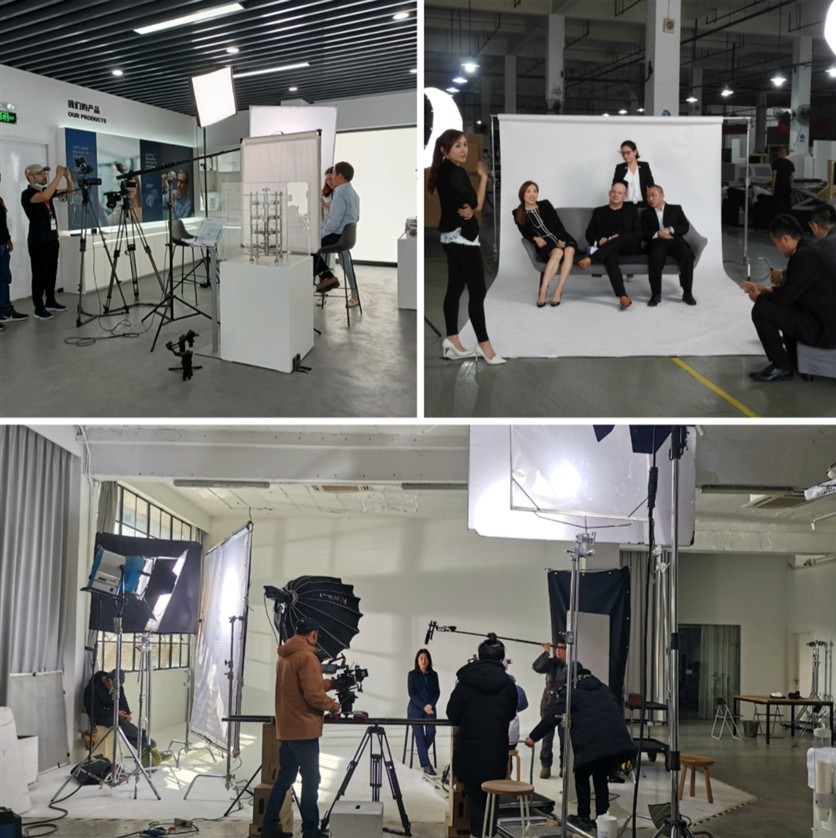
Need a Chengdu bilingual videographer for a corporate video, documentary, interview shoot, event, branded content project, factory visit, education story, healthcare film, or regional production in southwest China? A local English-Chinese videographer can help your overseas team capture professional footage while keeping communication clear with local contributors, clients, venues, and crew.

Chengdu is a useful production base for stories across Sichuan and southwest China. The city offers strong settings for food culture, lifestyle, healthcare, education, technology, gaming, hospitality, tourism, corporate stories, industrial filming, and documentary production. At Shoot In China, we support international producers, agencies, brands, broadcasters, and corporate clients with bilingual videographer services, local production support, camera crew, equipment rental, and post-production.

Chengdu Bilingual Videographer for International Productions

A Chengdu bilingual videographer is useful when you need a compact local filming solution with English-Chinese communication support. This can work well for interviews, corporate stories, documentary segments, event coverage, remote production, social content, and smaller branded shoots.

We can support:

  • Bilingual videographer services
  • Corporate video filming
  • Interview filming
  • Documentary filming
  • Event video coverage
  • Food and lifestyle filming
  • Healthcare and education stories
  • Technology and gaming content
  • Factory and industrial filming
  • Local fixer support
  • Sound and lighting support
  • Equipment rental
  • Translation and subtitles
  • Editing and post-production

The right setup depends on your project type, schedule, location, crew size, visual style, audio needs, and delivery timeline.

Why Hire a Bilingual Videographer in Chengdu?

A shoot that looks simple from overseas can become more complicated once local details are involved. A restaurant may need owner approval. A school or hospital may need internal permission. A company office may require building management clearance. A public location may not be ideal for tripods, lights, or a visible crew.

A bilingual videographer can help with:

  • English-Chinese communication
  • Basic location coordination
  • Interview setup
  • Contributor communication
  • Local filming guidance
  • Simple schedule coordination
  • Camera and audio planning
  • On-site translation support
  • Rushes delivery
  • Editing and subtitle workflow

For small to medium projects, this can be more efficient than bringing in a larger crew.

Corporate Video and Interview Filming

Chengdu is a strong city for corporate interviews, company profiles, employee stories, customer stories, healthcare videos, education projects, recruitment films, technology content, and internal communication.

A local filming setup can include:

  • Interview camera setup
  • Clean audio recording
  • LED lighting
  • Office or campus B-roll
  • Executive interviews
  • Staff interviews
  • Customer stories
  • Product or service visuals
  • Remote client monitoring where feasible
  • Translation and subtitles

For corporate shoots, preparation matters because interviewees often have limited time. The room, schedule, access, background, sound, and lighting should be checked before filming begins.

Documentary and Field Production

Chengdu works well for documentary stories about food, culture, lifestyle, healthcare, education, technology, social impact, regional development, and everyday life in southwest China.

A bilingual videographer can help capture:

  • Contributor interviews
  • Natural scenes
  • Local streets and neighborhoods
  • Food and market activity
  • Workplace and office scenes
  • School or healthcare environments
  • Cultural details
  • Regional B-roll
  • Small documentary sequences

Documentary shoots often need flexibility. A contributor may change timing, a location may become crowded, or a better story moment may happen unexpectedly. Local language support helps the filming day stay organized.

Food, Culture, and Lifestyle Video

Chengdu is well known for food culture, tea houses, local neighborhoods, music, nightlife, parks, markets, creative spaces, and relaxed urban lifestyle. These subjects can work well for documentary, travel, branded, social, and editorial content.

We can support filming for:

  • Food stories
  • Restaurant profiles
  • Chef interviews
  • Tea house scenes
  • Market filming
  • Local lifestyle content
  • Travel and destination videos
  • Hospitality and tourism content
  • Cultural activities
  • Social media cutdowns

Food and lifestyle filming often benefits from natural interaction, careful timing, and a low-profile camera setup.

Healthcare, Education, and Social Impact Stories

Chengdu and Sichuan also offer strong stories around healthcare, education, community projects, social impact, NGOs, universities, schools, and public service themes.

Production support may include:

  • Interview filming
  • Institution communication
  • Contributor briefing
  • Classroom or campus B-roll
  • Healthcare environment filming
  • Consent and release support
  • Sensitive subject handling
  • Translation during interviews
  • Subtitle and translation support

For these projects, permission and contributor comfort are especially important. The filming process should be clear, respectful, and well organized.

Technology, Gaming, and Business Filming

Chengdu has a growing technology, gaming, digital media, healthcare, finance, education, and regional business environment. A Chengdu bilingual videographer can support company profiles, founder interviews, customer stories, recruitment films, innovation videos, and branded documentary projects.

We can film:

  • Founder interviews
  • Employee stories
  • Office B-roll
  • Product demos
  • Technology company profiles
  • Gaming and creative industry stories
  • Customer case studies
  • ESG and sustainability content
  • Internal communication videos
  • Social media edits

For business and technology shoots, confidentiality can be important. Screens, documents, prototypes, unreleased products, customer names, and internal systems may need to stay off camera.

Factory, Industrial, and Supplier Filming

Chengdu and nearby Sichuan cities can support industrial, logistics, manufacturing, energy, automotive, electronics, and supplier stories. These shoots usually need careful planning around access, safety, and confidentiality.

A local filming team can help with:

  • Factory B-roll
  • Manager and engineer interviews
  • Production line filming
  • Warehouse footage
  • Product demonstration filming
  • Safety and PPE coordination
  • Supplier communication
  • Confidentiality checks
  • Exterior filming where approved
  • Rushes delivery

Factory and industrial shoots should be planned carefully. Screens, labels, drawings, prototypes, technical documents, and restricted areas may need to stay out of frame.

Event and Conference Videography

Chengdu hosts corporate events, conferences, exhibitions, product launches, forums, university events, brand activations, and hospitality events. A bilingual videographer can help cover the event while communicating with local venue teams and organizers.

Event coverage may include:

  • Speaker recording
  • Panel discussion filming
  • Guest arrivals
  • Audience reactions
  • Booth filming
  • Product demos
  • Interview corner setup
  • Event highlights
  • Same-day or next-day edits where feasible
  • Social media cutdowns

Before event filming, it helps to confirm the run-of-show, venue contact, access badges, camera positions, audio feed options, and delivery deadline.

Local Crew and Equipment Support

Some projects only need one bilingual videographer. Others may need additional sound, lighting, assistant, producer, fixer, or photography support.

Crew support may include:

  • Bilingual videographer
  • Camera operator
  • Sound recordist
  • Lighting assistant
  • Photographer
  • Bilingual producer
  • Local fixer
  • Production assistant
  • Driver and van support
  • Drone operator where suitable
  • DIT or data wrangler

Equipment options may include:

  • Cinema camera packages
  • Mirrorless camera kits
  • Interview camera setups
  • Prime and zoom lenses
  • LED lighting kits
  • Wireless microphones
  • Boom microphone kits
  • Tripods
  • Gimbals
  • Monitors
  • Teleprompters
  • Basic data backup tools

For many Chengdu shoots, a compact and mobile setup is more practical than a large production footprint.

Location Scouting and Access in Chengdu

Chengdu offers many useful filming environments, including offices, restaurants, tea houses, markets, creative spaces, universities, hospitals, hotels, factories, logistics sites, residential neighborhoods, parks, museums, event venues, and regional towns.

A local production team can help check:

  • Location suitability
  • Filming permission
  • Management approval
  • Access hours
  • Sound conditions
  • Lighting conditions
  • Parking and loading
  • Power availability
  • Public-space risks
  • Location fees
  • Backup options nearby

A good-looking location is not always a good filming location. Sound, privacy, power, access, background control, and management approval are just as important as the visual style.

Remote Production Support in Chengdu

Some overseas clients need footage from Chengdu without sending their own producer, director, or client team. A bilingual videographer can support remote production when the brief is clear and the filming style is agreed in advance.

Remote support may include:

  • Local crew booking
  • Location preparation
  • Interview setup
  • Contributor briefing
  • Remote viewing where feasible
  • Live client communication
  • Proxy file upload
  • Rushes delivery
  • Translation notes
  • Editing and subtitle support

Remote shoots work best when the shot list, interview questions, visual references, framing preferences, sound needs, file workflow, and delivery format are confirmed before filming.

Regional Filming Across Southwest China

Chengdu is a useful base for productions across Sichuan and southwest China. Depending on the project, we can help coordinate filming in nearby cities and regional locations.

Possible coverage includes:

  • Chengdu
  • Chongqing
  • Mianyang
  • Deyang
  • Leshan
  • Yibin
  • Luzhou
  • Dujiangyan
  • Ya’an
  • Guiyang
  • Kunming
  • Xi’an
  • Other southwest China locations

For regional shoots, planning should include travel time, route conditions, local contacts, contributor timing, equipment movement, hotel booking, and backup schedules.

Public-Space and Sensitive Location Filming

Public-space filming in Chengdu depends on the location, crew size, equipment, subject, and timing. A small documentary-style setup may work in some places, while other locations may require approval or may not be suitable.

A local team can help assess:

  • Whether the location is sensitive
  • Whether a small crew is practical
  • Whether tripods or lights may attract attention
  • Whether security may stop filming
  • Whether backup areas are nearby
  • Whether a lower-profile setup is better
  • Whether permission should be requested first

A realistic local approach is better than assuming every public space can be filmed freely.

Transport and Shoot-Day Logistics

Good logistics can make a major difference to the filming day. Traffic, parking, equipment loading, hotel locations, contributor timing, and route planning all affect the schedule.

Local logistics may include:

  • Driver and vehicle coordination
  • Train or flight planning
  • Hotel coordination
  • Equipment movement
  • Route planning
  • Meal and break planning
  • Location timing
  • Local contact list
  • Call sheet details
  • Backup schedule planning

Good logistics are rarely visible in the final video, but they often decide whether the crew gets the footage they need.

Editing, Translation, and Subtitles

Bilingual support can continue after filming. Depending on the project, we can help with editing, translation, subtitles, motion graphics, voiceover coordination, and final delivery.

Post-production support may include:

  • Rushes organization
  • Video editing
  • Interview translation
  • Transcription support
  • English-Chinese subtitles
  • Motion graphics
  • Title graphics
  • Color correction
  • Sound mix
  • Social media cutdowns
  • Multiple aspect ratios
  • Final delivery for website, broadcast, internal use, or presentations

For bilingual projects, clear translation notes and subtitles can save time during post-production and help overseas teams understand the strongest moments.

What to Prepare Before Booking

To recommend a realistic setup, it helps to share:

  • Shoot dates
  • City or cities
  • Project type
  • Number of filming days
  • Number of interviews
  • Current access status
  • Location types
  • Crew size
  • Equipment needs
  • Audio and lighting needs
  • Translation needs
  • Transport needs
  • Drone or outdoor filming needs
  • Remote viewing needs
  • Editing or subtitle needs
  • Delivery format
  • Budget range

The brief does not need to be final. Even a rough outline helps us suggest the right level of videographer, crew, equipment, fixer support, logistics, and post-production.

Why Work With Shoot In China

Since 2012, Shoot In China has supported international productions across China with bilingual producers, fixers, videographers, camera crews, equipment rental, location coordination, logistics, and post-production.

For Chengdu and southwest China productions, we focus on practical local support: clear communication, realistic access checks, respectful contributor handling, flexible field logistics, and calm shoot-day coordination. Our role is to help overseas clients film in Chengdu with fewer avoidable problems.

We can support:

  • Chengdu bilingual videographer services
  • English-Chinese field communication
  • Interview and corporate video filming
  • Documentary and event videography
  • Food, culture, lifestyle, healthcare, education, and business stories
  • Factory and industrial filming
  • Local fixer and producer support
  • Regional filming across southwest China
  • Editing, translation, subtitles, and post-production

Book a Chengdu Bilingual Videographer

If you need a Chengdu bilingual videographer for a corporate video, documentary, interview shoot, event, food story, healthcare project, education film, factory visit, branded content project, remote production, or regional shoot in southwest China, Shoot In China can help coordinate practical local support.

Send us your shoot dates, city, project outline, location needs, interview needs, crew requirements, equipment needs, and delivery timeline. We can recommend a realistic setup for your production in Chengdu.

📩 Contact: [email protected]
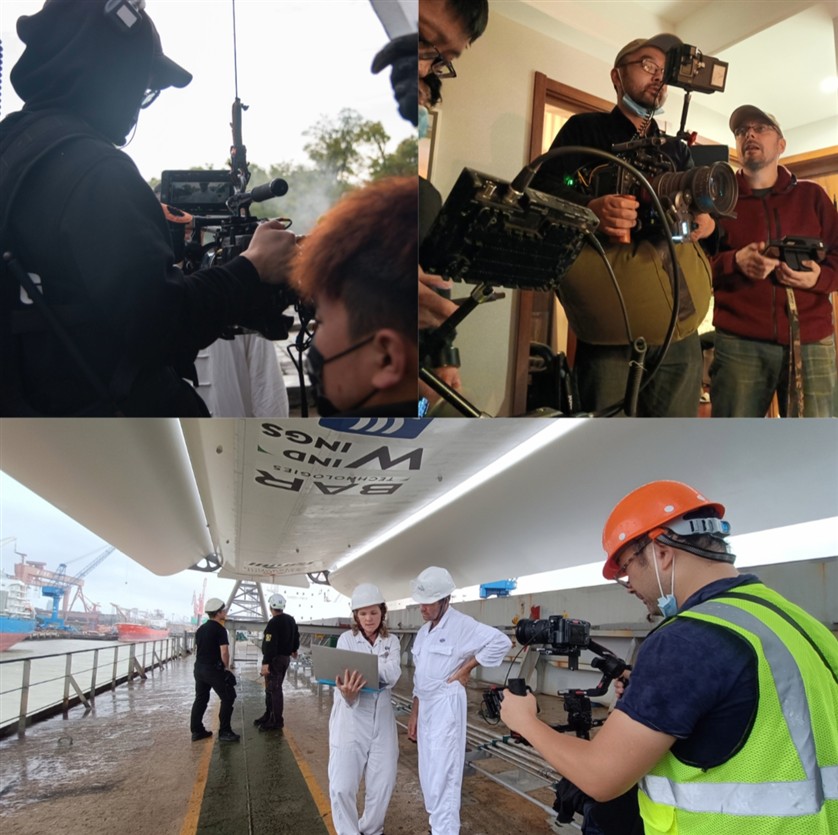
Filed under: ChengduTagged with:

Beijing Bilingual Producer | Crew & Shoot Support

Need a Beijing bilingual producer for a documentary, corporate video, interview shoot, commercial, branded content project, event, academic story, expert interview, or China-based production? A local English-Chinese producer can help your overseas team manage planning, communication, locations, access, crew, equipment, logistics, and shoot-day coordination in Beijing.

Beijing is one of China’s most important cities for media, culture, education, research, technology, healthcare, policy, expert interviews, corporate stories, conferences, and documentary production. It is also a city where location access, public-space filming, institutional approvals, and security awareness often need careful planning. At Shoot In China, we support international producers, agencies, brands, broadcasters, and corporate clients with bilingual producer services, local crew, fixer support, equipment rental, logistics, and post-production.

Beijing Bilingual Producer for International Productions

A Beijing bilingual producer helps your overseas team turn a brief into a workable local production plan. The role can include translation, but it also covers planning, budgeting, crew booking, access coordination, schedule management, vendor communication, and on-set production control.

We can help with:

  • English-Chinese production communication
  • Shoot planning and local budgeting
  • Crew and equipment booking
  • Location scouting and access checks
  • Interview and contributor coordination
  • Fixer and production assistant support
  • Transport and driver coordination
  • Call sheet preparation
  • On-set translation
  • Client and agency coordination
  • Remote production support
  • Editing, translation, subtitles, and post-production

The right level of support depends on your project type, city schedule, crew size, locations, access situation, equipment needs, and final delivery timeline.

Why Foreign Crews Need Local Production Support in Beijing

A shoot that looks simple from overseas can become more complex once local details are involved. A university may need internal permission. An office may require building management approval. A hospital or research center may have privacy rules. A public location may not be suitable for tripods, lighting, or a visible crew. A senior interviewee may only have a short time window.

A local producer helps check:

  • Who controls the location
  • Whether filming is allowed
  • Whether written approval is needed
  • Whether the schedule is realistic
  • Whether the crew size fits the location
  • Whether equipment can be brought in
  • Whether parking and loading are possible
  • Whether the location works for sound and lighting
  • Whether sensitive areas should be avoided
  • Whether backup options are needed

These checks help reduce avoidable problems before the crew arrives.

Production Planning and Scheduling

A Beijing bilingual producer can help build a practical production plan around the client brief, location conditions, interview availability, travel time, equipment needs, and local access rules.

Planning support may include:

  • Schedule structure
  • Crew size recommendation
  • Equipment list coordination
  • Location timing
  • Interview timing
  • Travel and traffic planning
  • Call sheet details
  • Local contact list
  • Backup schedule planning
  • Shoot-day workflow

For Beijing projects, timing should be realistic. Traffic, parking, security checks, building access, and location movement can all affect the filming day.

Local Budgeting and Crew Booking

A bilingual producer can help estimate the local cost of crew, equipment, locations, transport, production assistants, translation, post-production, and other shoot requirements.

Production support may include:

  • Local crew estimates
  • Equipment rental options
  • Location fee checks
  • Transport and driver costs
  • Fixer or PA booking
  • Overtime and travel notes
  • Basic cost comparison
  • Vendor coordination
  • Payment and invoice communication where needed

A realistic local budget helps overseas producers avoid underestimating the time and resources needed for filming in Beijing.

Location Scouting and Access Coordination

Beijing offers many strong filming environments, including offices, universities, research centers, hospitals, studios, hotels, conference venues, creative parks, restaurants, cultural spaces, hutongs, parks, business districts, and event venues.

A local producer can help check:

  • Location suitability
  • Filming permission
  • Management approval
  • Access hours
  • Sound conditions
  • Lighting conditions
  • Parking and loading
  • Power availability
  • Public-space risks
  • Location fees
  • Backup options nearby

A good-looking location is not always a good production location. Sound, access, privacy, background control, management approval, and security rules can be just as important as the visual style.

Bilingual Communication and Translation

Bilingual communication is often central to production in Beijing. A Beijing bilingual producer can help your team communicate with Chinese-speaking contributors, office contacts, institutions, vendors, venue managers, drivers, security teams, and local crew.

Communication support may include:

  • Interview question translation
  • Contributor briefing
  • Live interpretation on set
  • Location communication
  • Vendor coordination
  • Crew communication
  • Driver and transport communication
  • Release form explanation
  • Safety and access notes
  • Translation notes for post-production

Good production support is not only word-for-word translation. It means understanding the production goal, reading the local situation, and helping both sides communicate clearly.

Corporate Video and Interview Production

Beijing is a strong city for corporate interviews, executive profiles, expert interviews, research stories, education videos, healthcare content, technology films, policy-related discussions, internal communication, and branded documentary projects.

Production support can include:

  • Interview room checks
  • Background selection
  • Lighting setup coordination
  • Sound planning
  • Interviewee scheduling
  • Teleprompter support where needed
  • Office and campus B-roll planning
  • Brand and logo checks
  • Remote viewing support
  • Translation and subtitles

For corporate and expert interviews, preparation matters because executives, professors, researchers, doctors, founders, and senior staff often have limited time. The room, schedule, access, and technical setup should be ready before the interviewee arrives.

Documentary and Editorial Production

Beijing is a useful base for documentary and editorial stories involving culture, education, history, social change, technology, architecture, urban life, policy, research, arts, and expert commentary.

A bilingual producer can help with:

  • Local research
  • Contributor outreach
  • Interview coordination
  • Field translation
  • Cultural and local context notes
  • Location access checks
  • Transport planning
  • Small crew support
  • Release forms
  • Rushes handover

Documentary shoots often need flexibility. A contributor may change timing, a location may become crowded, or a public area may be difficult once cameras appear. A local producer helps the crew adjust while keeping the filming day organized.

Academic, Research, and Institutional Filming

Beijing is home to many universities, research organizations, cultural institutions, think tanks, healthcare centers, technology parks, and professional associations. These environments can be valuable for documentaries, corporate videos, branded films, education content, and interview projects.

A local producer can help with:

  • Institution communication
  • Approval workflow
  • Interview scheduling
  • Room and background options
  • Access notes
  • B-roll planning
  • Release form explanation
  • Translation during interviews
  • Confidentiality and image control

Institutional filming usually benefits from early communication. Approval may need to pass through several departments, so the brief, usage, crew size, equipment list, and schedule should be clear.

Commercial and Branded Content

Beijing can support commercial and branded content for technology, education, healthcare, finance, automotive, culture, lifestyle, hospitality, and corporate clients. These shoots often need more detailed planning around locations, crew, equipment, talent, styling, products, and client approvals.

We can support:

  • Local production planning
  • Crew booking
  • Equipment planning
  • Location research
  • Permit and access checks
  • Talent or contributor coordination
  • Styling and HMU support
  • Props and product logistics
  • Client monitor setup
  • Transport and catering
  • Shoot-day coordination
  • Post-production handover

For branded projects, it helps to share visual references, brand guidelines, shot lists, product details, delivery formats, and approval requirements early.

Event and Conference Production Support

Beijing hosts conferences, forums, product launches, corporate events, academic meetings, exhibitions, cultural events, press events, and international gatherings. A bilingual producer can help visiting teams coordinate venue access, crew, timing, interviews, and local communication.

Event support may include:

  • Venue communication
  • Camera crew coordination
  • Event photography
  • Speaker and interview scheduling
  • Audio feed checks
  • Stage and room access
  • Badge and security coordination
  • Booth filming
  • Product demo filming
  • Same-day or next-day delivery planning

Before event filming, it helps to confirm the run-of-show, venue contact, access badges, camera positions, audio feed options, speaker timing, and delivery deadline.

Technology, Healthcare, and Business Stories

Beijing is a strong city for technology companies, healthcare organizations, finance, education, professional services, research, policy-related businesses, and corporate headquarters.

We can support:

  • Founder interviews
  • Executive interviews
  • Researcher and expert interviews
  • Healthcare stories
  • Education projects
  • Technology company profiles
  • Customer case studies
  • ESG and sustainability videos
  • Internal communication content
  • Branded documentary content

For business, healthcare, and research environments, confidentiality can be important. Screens, documents, prototypes, patient information, internal systems, customer names, whiteboards, and restricted areas may need to stay off camera.

Local Crew and Equipment Support

Some projects bring their own director, producer, or DOP. Others need a full local crew in Beijing. We can support both approaches.

Crew support may include:

  • Director of photography
  • Camera operator
  • Camera assistant
  • Sound recordist
  • Gaffer
  • Grip
  • Photographer
  • Bilingual producer
  • Bilingual fixer
  • Production assistant
  • Driver and van support
  • Drone operator where suitable
  • DIT or data wrangler

Equipment support may include:

  • Cinema camera packages
  • Mirrorless camera kits
  • Interview camera setups
  • Prime and zoom lenses
  • LED lighting kits
  • Wireless microphones
  • Boom microphone kits
  • Tripods
  • Gimbals
  • Monitors
  • Teleprompters
  • Basic grip equipment
  • Data backup tools

For many Beijing shoots, a compact and mobile crew is more practical than a large production footprint, especially in offices, universities, public-facing areas, cultural spaces, and busy event venues.

Public-Space and Sensitive Location Planning

Public-space filming in Beijing should be assessed carefully. Some areas may work for a small documentary-style crew, while other locations may require approval or may not be suitable for professional filming.

A bilingual producer can help assess:

  • Whether the location is sensitive
  • Whether a small crew is practical
  • Whether tripods or lights may attract attention
  • Whether security may stop filming
  • Whether backup areas are nearby
  • Whether a lower-profile setup is better
  • Whether permission should be requested first

A realistic local approach is better than assuming every public space can be filmed freely. This is especially important around historical areas, government-adjacent locations, transport hubs, major landmarks, and busy public sites.

Drone Filming and Exterior Coverage

Drone filming in Beijing can be complicated because of airspace restrictions, security rules, nearby airports, sensitive areas, and location-specific limitations. It should be discussed early rather than assumed.

For exterior coverage, alternatives may include:

  • Ground-level B-roll
  • Rooftop or balcony views where approved
  • Long-lens city shots
  • Vehicle-based movement shots
  • Timelapse from approved positions
  • Controlled exterior filming on private property
  • Stock footage guidance where suitable

When drone filming is not practical, a strong ground-based coverage plan can still provide useful city, building, and atmosphere shots.

Remote Production Support in Beijing

Some overseas clients need footage from Beijing without sending their own producer, director, or client team. Remote production can work when the brief is clear and the local team understands the required filming style.

Remote support may include:

  • Local crew booking
  • Location preparation
  • Interview setup
  • Contributor briefing
  • Remote viewing where feasible
  • Live client communication
  • Proxy file upload
  • Rushes delivery
  • Translation notes
  • Editing and subtitle support

Remote shoots work best when the shot list, interview questions, visual references, framing preferences, sound needs, file workflow, and delivery format are confirmed in advance.

Transport and Shoot-Day Logistics

Good logistics can make a major difference to the filming day. Beijing traffic, parking, equipment loading, venue security, building access, hotel locations, and route planning can all affect the schedule.

Local logistics may include:

  • Driver and vehicle coordination
  • Train or flight planning
  • Hotel coordination
  • Equipment movement
  • Route planning
  • Meal and break planning
  • Location timing
  • Local contact list
  • Call sheet details
  • Backup schedule planning

Good logistics are rarely visible in the final video, but they often decide whether the crew gets the footage they need.

Regional Support From Beijing

Beijing can also serve as a base for nearby productions in northern China, depending on the project schedule and access needs.

Possible coverage includes:

  • Beijing
  • Tianjin
  • Hebei
  • Shijiazhuang
  • Tangshan
  • Langfang
  • Baoding
  • Zhangjiakou
  • Qingdao
  • Jinan
  • Dalian
  • Other northern China locations

For regional shoots, planning should include travel time, local contacts, contributor timing, equipment movement, hotel booking, weather, and backup schedules.

Post-Production, Translation, and Subtitles

Bilingual support can continue after filming. Depending on the project, we can help with editing, translation, subtitles, motion graphics, voiceover coordination, and final delivery.

Post-production support may include:

  • Rushes organization
  • Video editing
  • Interview translation
  • Transcription support
  • English-Chinese subtitles
  • Motion graphics
  • Title graphics
  • Color correction
  • Sound mix
  • Social media cutdowns
  • Multiple aspect ratios
  • Final delivery for website, broadcast, internal use, or presentations

For bilingual projects, clear translation notes and subtitles can save time during post-production and help overseas teams understand the strongest moments.

What to Prepare Before Booking

To recommend a realistic setup, it helps to share:

  • Shoot dates
  • City or cities
  • Project type
  • Number of filming days
  • Number of interviews
  • Current access status
  • Location types
  • Crew size
  • Equipment needs
  • Translation needs
  • Transport needs
  • Drone or outdoor filming needs
  • Remote viewing needs
  • Release form requirements
  • Editing or subtitle needs
  • Delivery format
  • Budget range

The brief does not need to be final. Even a rough outline helps us suggest the right level of producer, fixer, crew, equipment, logistics, and post-production support.

Why Work With Shoot In China

Since 2012, Shoot In China has supported international productions across China with bilingual producers, fixers, camera crews, equipment rental, location coordination, logistics, and post-production.

For Beijing productions, we focus on practical local support: clear communication, realistic access checks, careful public-space planning, confidentiality awareness, flexible logistics, and calm shoot-day coordination. Our role is to help overseas producers film in Beijing with fewer avoidable problems.

We can support:

  • Beijing bilingual producer services
  • English-Chinese production coordination
  • Bilingual fixer support
  • Contributor research and outreach
  • Location scouting and access checks
  • Camera crew and equipment rental
  • Corporate, documentary, event, research, education, and branded filming
  • Remote production support
  • Regional production across northern China
  • Editing, translation, subtitles, and post-production

Book a Beijing Bilingual Producer

If you need a Beijing bilingual producer for a documentary, corporate video, commercial, interview shoot, academic story, expert interview, event, branded content project, remote production, or northern China shoot, Shoot In China can help coordinate practical local production support.

Send us your shoot dates, city, project outline, location needs, contributor needs, crew requirements, equipment needs, and delivery timeline. We can recommend a realistic setup for your production in Beijing.

📩 Contact: [email protected]

Filed under: BeijingTagged with:

Beijing Bilingual Fixer | Local Shoot Support

Need a Beijing bilingual fixer for a documentary, corporate video, interview shoot, commercial, branded content project, event, academic story, institutional filming, or China-based production? A local English-Chinese fixer can help your overseas crew manage communication, locations, access, translation, transport, crew coordination, and shoot-day problem solving.

Beijing is one of China’s most important cities for media, culture, education, research, policy, technology, conferences, expert interviews, historical locations, and corporate stories. It is also a city where local access, location rules, public-space filming, and security awareness often need careful planning. At Shoot In China, we support international producers, agencies, brands, broadcasters, and corporate clients with bilingual fixer services, local crew, equipment rental, production coordination, and post-production.

Beijing Bilingual Fixer for International Productions

A Beijing bilingual fixer helps connect your visiting team with local people, venues, institutions, contributors, suppliers, and crew. The role can include translation, but it often goes beyond language support.

We can help with:

  • English-Chinese communication
  • Local research
  • Location scouting
  • Location access checks
  • Interview coordination
  • Contributor briefing
  • Local crew booking
  • Camera, sound, lighting, and grip support
  • Equipment rental
  • Transport and driver coordination
  • Schedule planning
  • On-set translation
  • Release form support
  • Remote production support
  • Editing, translation, subtitles, and post-production

The right level of support depends on your shoot type, city schedule, crew size, locations, access situation, equipment needs, and final delivery timeline.

Why Foreign Crews Need Local Support in Beijing

A shoot that looks simple from overseas can become more complicated once local details are involved. An office may require building management approval. A university or research institute may need internal permission. A public location may not be suitable for tripods or a visible crew. A cultural or historical area may have filming restrictions. An interviewee may need a careful Chinese-language briefing before appearing on camera.

A local fixer helps check:

  • Who controls the location
  • Whether filming is allowed
  • Whether written approval is needed
  • Whether contributors understand the project
  • Whether the schedule is realistic
  • Whether the location works for sound
  • Whether equipment can be brought in
  • Whether parking and loading are possible
  • Whether sensitive areas should be avoided
  • Whether backup options are needed

These checks help reduce avoidable problems before the crew arrives.

Local Communication and Translation

Bilingual communication is often the core of production support. A Beijing bilingual fixer can help your team communicate with Chinese-speaking contributors, office contacts, venue managers, academic contacts, drivers, security teams, vendors, and local crew.

Translation support may include:

  • Interview question translation
  • Contributor briefing
  • Live interpretation on set
  • Location communication
  • Vendor coordination
  • Driver and transport communication
  • Release form explanation
  • Safety and access notes
  • Schedule communication
  • Translation notes for post-production

Good fixing is not only word-for-word translation. It means understanding the production goal, reading the local situation, and helping both sides communicate clearly.

Documentary and Editorial Filming

Beijing is a strong base for documentary and editorial stories involving culture, education, history, social change, technology, architecture, urban life, policy, research, arts, and expert commentary.

A fixer can help with:

  • Local research
  • Contributor outreach
  • Interview coordination
  • Field translation
  • Cultural and local context notes
  • Location access checks
  • Transport planning
  • Small crew support
  • Release forms
  • Rushes handover

Documentary shoots often need flexibility. A contributor may change timing, a location may become crowded, or a public area may be difficult once cameras appear. A local fixer helps the crew adjust while keeping the filming day organized.

Corporate Video and Interview Shoots

Beijing is a major city for corporate interviews, executive profiles, expert interviews, research stories, education videos, healthcare content, technology films, policy-related discussions, internal communication, and branded documentary projects.

Production support can include:

  • Interview room checks
  • Background selection
  • Lighting setup coordination
  • Sound planning
  • Interviewee scheduling
  • Teleprompter support where needed
  • Office and campus B-roll planning
  • Brand and logo checks
  • Remote viewing support
  • Translation and subtitles

For corporate and expert interviews, preparation matters because executives, professors, researchers, doctors, founders, and senior staff often have limited time. The room, schedule, access, and technical setup should be ready before the interviewee arrives.

Academic, Research, and Institutional Stories

Beijing is home to many universities, research organizations, cultural institutions, think tanks, healthcare centers, technology parks, and professional associations. These environments can be valuable for documentaries, branded films, corporate stories, education content, and interview projects.

A local fixer can help with:

  • Contact communication
  • Interview scheduling
  • Internal approval checks
  • Access notes
  • Room and background options
  • B-roll planning
  • Release form explanation
  • Translation during interviews
  • Confidentiality and image control

Institutional filming usually benefits from early communication. Approval may need to pass through several departments, so the brief, usage, crew size, equipment list, and schedule should be clear.

Culture, History, and Urban Stories

Beijing offers rich visual environments, from traditional neighborhoods and cultural spaces to modern business districts, creative parks, parks, markets, museums, galleries, restaurants, hotels, and urban landscapes.

Support may include:

  • Location research
  • Local contact outreach
  • Public-space assessment
  • Cultural context notes
  • Small crew planning
  • Contributor communication
  • Interview coordination
  • Translation and release form support

For cultural or historical locations, access should be checked carefully. Some places may allow casual photos but not professional filming, tripods, lighting, drones, or interviews.

Commercial and Branded Content

Beijing can support commercial and branded content for technology, education, healthcare, finance, automotive, culture, lifestyle, hospitality, and corporate clients. These shoots often need more detailed planning around locations, crew, equipment, talent, styling, products, and client approvals.

We can support:

  • Crew booking
  • Equipment planning
  • Location research
  • Permit and access checks
  • Talent or contributor coordination
  • Styling and HMU support
  • Props and product logistics
  • Client monitor setup
  • Transport and catering
  • Shoot-day coordination
  • Post-production handover

For branded projects, it helps to share visual references, brand guidelines, shot lists, product details, delivery formats, and approval requirements early.

Event and Conference Support

Beijing hosts conferences, forums, product launches, corporate events, academic meetings, exhibitions, cultural events, press events, and international gatherings. A bilingual fixer can help visiting teams coordinate venue access, crew, timing, interviews, and local communication.

Event support may include:

  • Venue communication
  • Camera crew coordination
  • Event photography
  • Speaker and interview scheduling
  • Audio feed checks
  • Stage and room access
  • Badge and security coordination
  • Booth filming
  • Product demo filming
  • Same-day or next-day delivery planning

Before event filming, it helps to confirm the run-of-show, venue contact, access badges, camera positions, audio feed options, speaker timing, and delivery deadline.

Technology, Healthcare, and Business Filming

Beijing is a strong city for technology companies, healthcare organizations, finance, education, professional services, research, policy-related businesses, and corporate headquarters.

We can support:

  • Founder interviews
  • Executive interviews
  • Researcher and expert interviews
  • Healthcare stories
  • Education projects
  • Technology company profiles
  • Customer case studies
  • ESG and sustainability videos
  • Internal communication content
  • Branded documentary content

For business, healthcare, and research environments, confidentiality can be important. Screens, documents, prototypes, patient information, internal systems, customer names, whiteboards, and restricted areas may need to stay off camera.

Location Scouting and Access in Beijing

Beijing offers many useful filming environments, including offices, universities, hotels, studios, hospitals, research centers, creative parks, restaurants, cultural spaces, conference venues, parks, hutongs, galleries, and business districts.

A local fixer can help check:

  • Location suitability
  • Filming permission
  • Management approval
  • Access hours
  • Sound conditions
  • Lighting conditions
  • Parking and loading
  • Power availability
  • Public-space risks
  • Location fees
  • Backup options nearby

A good-looking location is not always a good production location. Sound, access, privacy, management approval, power, and background control can be just as important as the visual style.

Local Crew and Equipment Support

Some projects bring their own director, producer, or DOP. Others need a full local crew in Beijing. We can support both approaches.

Crew support may include:

  • Director of photography
  • Camera operator
  • Camera assistant
  • Sound recordist
  • Gaffer
  • Grip
  • Photographer
  • Bilingual fixer
  • Bilingual producer
  • Production assistant
  • Driver and van support
  • Drone operator where suitable
  • DIT or data wrangler

Equipment support may include:

  • Cinema camera packages
  • Mirrorless camera kits
  • Interview camera setups
  • Prime and zoom lenses
  • LED lighting kits
  • Wireless microphones
  • Boom microphone kits
  • Tripods
  • Gimbals
  • Monitors
  • Teleprompters
  • Basic grip equipment
  • Data backup tools

For many Beijing shoots, a compact and mobile crew is more practical than a large production footprint, especially in offices, universities, public-facing areas, cultural spaces, and busy event venues.

Remote Production Support in Beijing

Some overseas clients need footage from Beijing without sending their own producer, director, or client team. Remote production can work when the brief is clear and the local team understands the required filming style.

Remote support may include:

  • Local crew booking
  • Location preparation
  • Interview setup
  • Contributor briefing
  • Remote viewing where feasible
  • Live client communication
  • Proxy file upload
  • Rushes delivery
  • Translation notes
  • Editing and subtitle support

Remote shoots work best when the shot list, interview questions, visual references, framing preferences, sound needs, file workflow, and delivery format are confirmed in advance.

Public-Space and Sensitive Location Filming

Public-space filming in Beijing should be assessed carefully. Some areas may work for a small documentary-style crew, while other locations may require approval or may not be suitable for professional filming.

A local fixer can help assess:

  • Whether the location is sensitive
  • Whether a small crew is practical
  • Whether tripods or lights may attract attention
  • Whether security may stop filming
  • Whether backup areas are nearby
  • Whether a lower-profile setup is better
  • Whether permission should be requested first

A realistic local approach is better than assuming every public space can be filmed freely. This is especially important around historical areas, government-adjacent locations, transport hubs, major landmarks, and busy public sites.

Drone Filming and Exterior Coverage

Drone filming in Beijing can be complicated because of airspace restrictions, security rules, nearby airports, sensitive areas, and location-specific limitations. It should be discussed early rather than assumed.

For exterior coverage, alternatives may include:

  • Ground-level B-roll
  • Rooftop or balcony views where approved
  • Long-lens city shots
  • Vehicle-based movement shots
  • Time-lapse from approved positions
  • Controlled exterior filming on private property
  • Stock footage guidance where suitable

When drone filming is not practical, a strong ground-based coverage plan can still provide useful city, building, and atmosphere shots.

Transport and Shoot-Day Logistics

Good logistics can make a major difference to the filming day. Beijing traffic, parking, equipment loading, venue security, building access, hotel locations, and route planning can all affect the schedule.

Local logistics may include:

  • Driver and vehicle coordination
  • Train or flight planning
  • Hotel coordination
  • Equipment movement
  • Route planning
  • Meal and break planning
  • Location timing
  • Local contact list
  • Call sheet details
  • Backup schedule planning

Good logistics are rarely visible in the final video, but they often decide whether the crew gets the footage they need.

Regional Support From Beijing

Beijing can also serve as a base for nearby productions in northern China, depending on the project schedule and access needs.

Possible coverage includes:

  • Beijing
  • Tianjin
  • Hebei
  • Shijiazhuang
  • Tangshan
  • Langfang
  • Baoding
  • Zhangjiakou
  • Qingdao
  • Jinan
  • Dalian
  • Other northern China locations

For regional shoots, planning should include travel time, local contacts, contributor timing, equipment movement, hotel booking, weather, and backup schedules.

Post-Production, Translation, and Subtitles

Bilingual support can continue after filming. Depending on the project, we can help with editing, translation, subtitles, motion graphics, voiceover coordination, and final delivery.

Post-production support may include:

  • Rushes organization
  • Video editing
  • Interview translation
  • Transcription support
  • English-Chinese subtitles
  • Motion graphics
  • Title graphics
  • Color correction
  • Sound mix
  • Social media cutdowns
  • Multiple aspect ratios
  • Final delivery for website, broadcast, internal use, or presentations

For bilingual projects, clear translation notes and subtitles can save time during post-production and help overseas teams understand the strongest moments.

What to Prepare Before Booking

To recommend a realistic setup, it helps to share:

  • Shoot dates
  • City or cities
  • Project type
  • Number of filming days
  • Number of interviews
  • Current access status
  • Location types
  • Crew size
  • Equipment needs
  • Translation needs
  • Transport needs
  • Drone or outdoor filming needs
  • Remote viewing needs
  • Release form requirements
  • Editing or subtitle needs
  • Delivery format
  • Budget range

The brief does not need to be final. Even a rough outline helps us suggest the right level of fixer, producer, crew, equipment, logistics, and post-production support.

Why Work With Shoot In China

Since 2012, Shoot In China has supported international productions across China with bilingual producers, fixers, camera crews, equipment rental, location coordination, logistics, and post-production.

For Beijing productions, we focus on practical local support: clear communication, realistic access checks, confidentiality awareness, careful public-space planning, flexible logistics, and calm shoot-day coordination. Our role is to help overseas crews film in Beijing with fewer avoidable problems.

We can support:

  • Beijing bilingual fixer services
  • English-Chinese field translation
  • Bilingual producer support
  • Contributor research and outreach
  • Location scouting and access checks
  • Camera crew and equipment rental
  • Corporate, documentary, event, research, education, and branded filming
  • Remote production support
  • Regional production across northern China
  • Editing, translation, subtitles, and post-production

Book a Beijing Bilingual Fixer

If you need a Beijing bilingual fixer for a documentary, corporate video, commercial, interview shoot, academic story, expert interview, event, branded content project, remote production, or northern China shoot, Shoot In China can help coordinate practical local support.

Send us your shoot dates, city, project outline, location needs, contributor needs, crew requirements, equipment needs, and delivery timeline. We can recommend a realistic setup for your production in Beijing.

📩 Contact: [email protected]

Filed under: BeijingTagged with:

Shenzhen Bilingual Fixer | Tech, Crew & Locations

Need a Shenzhen bilingual fixer for a documentary, corporate video, commercial, interview shoot, technology story, factory visit, event, branded content project, or Greater Bay Area production? A local English-Chinese fixer can help your overseas crew manage communication, locations, access, logistics, crew coordination, translation, and shoot-day problem solving.

Shenzhen is one of China’s most important cities for technology, hardware, electronics, product development, robotics, logistics, design, manufacturing, startups, and cross-border business. It is also a practical base for productions across the Greater Bay Area, including Guangzhou, Dongguan, Foshan, Hong Kong, Macau, Zhuhai, Huizhou, and Zhongshan. At Shoot In China, we support international producers, agencies, brands, broadcasters, and corporate clients with bilingual fixer services, local crew, equipment rental, production coordination, and post-production.

Shenzhen Bilingual Fixer for International Productions

A Shenzhen bilingual fixer helps connect your visiting team with local people, companies, venues, factories, contributors, vendors, and crew. The role can include translation, but it often goes further than language support.

We can help with:

  • English-Chinese communication
  • Local research
  • Location scouting
  • Location access checks
  • Interview coordination
  • Contributor briefing
  • Factory and supplier communication
  • Local crew booking
  • Camera, sound, lighting, and grip support
  • Equipment rental
  • Transport and driver coordination
  • Schedule planning
  • On-set translation
  • Release form support
  • Remote production support
  • Editing, translation, subtitles, and post-production

The right level of support depends on your shoot type, city, schedule, crew size, locations, equipment needs, and delivery timeline.

Why Foreign Crews Need Local Support in Shenzhen

A shoot that looks simple from overseas can become more complicated once local details are involved. A technology company may need internal approval. A factory may require PPE and safety induction. A supplier may restrict certain areas. An office may need building management clearance. A public location may not be suitable for tripods, lights, or a larger crew.

A local fixer helps check:

  • Who controls the location
  • Whether filming is allowed
  • Whether written approval is needed
  • Whether contributors understand the project
  • Whether the schedule is realistic
  • Whether the location works for sound
  • Whether equipment can be brought in
  • Whether parking and loading are possible
  • Whether confidential areas need to be avoided
  • Whether backup options are needed

These checks help reduce avoidable problems before the crew arrives.

Local Communication and Translation

Bilingual communication is often the core of production support. A Shenzhen bilingual fixer can help your team communicate with Chinese-speaking company contacts, engineers, suppliers, interviewees, venue managers, drivers, security teams, and local crew.

Translation support may include:

  • Interview question translation
  • Contributor briefing
  • Live interpretation on set
  • Location communication
  • Supplier communication
  • Vendor coordination
  • Driver and transport communication
  • Release form explanation
  • Safety and access notes
  • Translation notes for post-production

Good fixing is not only word-for-word translation. It means understanding the brief, reading the local situation, and helping both sides communicate clearly.

Technology, Hardware, and Startup Filming

Shenzhen is known for technology, hardware development, electronics, robotics, consumer products, product design, software, logistics, and startup culture. These stories can work well for corporate videos, branded documentaries, product films, founder stories, and editorial projects.

We can support:

  • Founder interviews
  • Engineer interviews
  • Product development stories
  • Hardware and electronics filming
  • Robotics and automation content
  • Office and lab filming
  • Product demo videos
  • Customer stories
  • Innovation films
  • Startup documentaries
  • ESG and sustainability videos
  • Internal communication content

For technology shoots, confidentiality is often important. Screens, prototypes, unreleased products, internal systems, customer names, whiteboards, drawings, and product labels may need to stay off camera.

Factory, Industrial, and Supplier Filming

Shenzhen and the wider Pearl River Delta are major regions for manufacturing, electronics, hardware, automotive components, consumer goods, packaging, logistics, and supplier networks. Factory and supplier shoots usually need careful planning around access, safety, and image control.

A local fixer can help with:

  • Supplier communication
  • Factory access checks
  • Safety and PPE notes
  • Production line filming routes
  • Manager and engineer interviews
  • Worker communication
  • Confidentiality checks
  • Equipment movement planning
  • Drone or exterior filming checks
  • Rushes delivery

Factory filming should be planned carefully. Screens, labels, customer names, product drawings, prototypes, technical documents, and restricted areas may need to stay out of frame.

Corporate Video and Interview Shoots

Shenzhen is a strong city for corporate interviews, company profiles, product stories, recruitment films, investor videos, customer case studies, training content, and internal communication.

Production support can include:

  • Interview room checks
  • Background selection
  • Lighting setup coordination
  • Sound planning
  • Interviewee scheduling
  • Teleprompter support where needed
  • Office and campus B-roll planning
  • Brand and logo checks
  • Remote viewing support
  • Translation and subtitles

For corporate shoots, preparation matters because executives, engineers, founders, clients, and staff often have limited time. The room, schedule, access, and technical setup should be ready before the interviewee arrives.

Documentary and Field Production

Shenzhen works well for documentary stories about technology, migration, manufacturing, urban development, entrepreneurship, innovation, design, supply chains, logistics, youth culture, and the Greater Bay Area.

A fixer can help with:

  • Local research
  • Contributor outreach
  • Interview coordination
  • Field translation
  • Cultural and business context notes
  • Location access checks
  • Transport planning
  • Small crew support
  • Release forms
  • Rushes handover

Documentary shoots often need flexibility. A contributor may change timing, a location may become crowded, or a better story moment may happen unexpectedly. A local fixer helps the crew adjust without losing the structure of the day.

Product Demo and Commercial Filming

Many Shenzhen shoots involve products, prototypes, devices, hardware, consumer electronics, robotics, software platforms, or industrial equipment. These projects often need both technical understanding and practical production coordination.

Support may include:

  • Product handling coordination
  • Demo area preparation
  • Office or showroom filming
  • Engineer and user interviews
  • Product beauty shots
  • Lighting and tabletop setup
  • Background and branding checks
  • Talent or user coordination
  • Client monitor support
  • Post-production handover

For product filming, it helps to share references, product status, demo requirements, screen content rules, brand guidelines, and delivery formats early.

Event, Conference, and Exhibition Support

Shenzhen hosts technology events, product launches, trade shows, conferences, forums, corporate events, brand activations, and industry exhibitions. A bilingual fixer can help visiting teams coordinate venue access, crew, timing, and local communication.

Event support may include:

  • Venue communication
  • Camera crew coordination
  • Event photography
  • Speaker and interview scheduling
  • Audio feed checks
  • Stage and room access
  • Badge and security coordination
  • Booth filming
  • Product demo filming
  • Same-day or next-day delivery planning

Before event filming, it helps to confirm the run-of-show, venue contact, access badges, camera positions, audio feed options, and delivery deadline.

Location Scouting and Access in Shenzhen

Shenzhen offers many useful filming environments, including technology offices, factories, industrial parks, labs, showrooms, logistics centers, startup spaces, hotels, conference venues, co-working spaces, residential areas, parks, waterfront locations, and urban business districts.

A local fixer can help check:

  • Location suitability
  • Filming permission
  • Management approval
  • Access hours
  • Sound conditions
  • Lighting conditions
  • Parking and loading
  • Power availability
  • Public-space risks
  • Location fees
  • Backup options nearby

A good-looking location is not always a good production location. Sound, access, privacy, management approval, power, and background control can be just as important as the visual style.

Local Crew and Equipment Support

Some projects bring their own director or DOP. Others need a full local crew in Shenzhen. We can help with either approach.

Crew support may include:

  • Director of photography
  • Camera operator
  • Camera assistant
  • Sound recordist
  • Gaffer
  • Grip
  • Photographer
  • Bilingual fixer
  • Bilingual producer
  • Production assistant
  • Driver and van support
  • Drone operator where suitable
  • DIT or data wrangler

Equipment support may include:

  • Cinema camera packages
  • Mirrorless camera kits
  • Interview camera setups
  • Prime and zoom lenses
  • LED lighting kits
  • Wireless microphones
  • Boom microphone kits
  • Tripods
  • Gimbals
  • Monitors
  • Teleprompters
  • Basic grip equipment
  • Data backup tools

For many Shenzhen shoots, a compact and mobile crew is more practical than a large production footprint, especially in offices, factories, labs, and busy event venues.

Remote Production Support in Shenzhen

Some overseas clients need footage from Shenzhen without sending their own producer, director, or client team. Remote production can work when the brief is clear and the local team understands the required filming style.

Remote support may include:

  • Local crew booking
  • Location preparation
  • Interview setup
  • Contributor briefing
  • Remote viewing where feasible
  • Live client communication
  • Proxy file upload
  • Rushes delivery
  • Translation notes
  • Editing and subtitle support

Remote shoots work best when the shot list, interview questions, visual references, framing preferences, sound needs, file workflow, and delivery format are confirmed in advance.

Greater Bay Area Production Support

Shenzhen is a useful base for productions across the Greater Bay Area. Many projects involve nearby cities, suppliers, factories, offices, ports, event venues, or cross-border planning.

Possible coverage includes:

  • Shenzhen
  • Guangzhou
  • Dongguan
  • Foshan
  • Hong Kong
  • Macau
  • Zhuhai
  • Zhongshan
  • Huizhou
  • Jiangmen
  • Other Greater Bay Area locations

For regional shoots, planning should include travel time, border considerations where relevant, local contacts, contributor timing, equipment movement, hotel booking, traffic, and backup schedules.

Public-Space and Sensitive Location Filming

Public-space filming in Shenzhen depends on the location, crew size, equipment, subject, and timing. Some areas may work for a small documentary-style crew, while others may require approval or may not be suitable.

A local fixer can help assess:

  • Whether the location is sensitive
  • Whether a small crew is practical
  • Whether tripods or lights may attract attention
  • Whether security may stop filming
  • Whether backup areas are nearby
  • Whether a lower-profile setup is better
  • Whether permission should be requested first

A realistic local approach is better than assuming every public space can be filmed freely.

Transport and Shoot-Day Logistics

Good logistics can make a major difference to the filming day. Traffic, parking, equipment loading, factory access, security registration, meal planning, hotel locations, and route planning all affect the schedule.

Local logistics may include:

  • Driver and vehicle coordination
  • Train or flight planning
  • Hotel coordination
  • Equipment movement
  • Route planning
  • Meal and break planning
  • Location timing
  • Local contact list
  • Call sheet details
  • Backup schedule planning

Good logistics are rarely visible in the final video, but they often decide whether the crew gets the footage they need.

Post-Production, Translation, and Subtitles

Bilingual support can continue after filming. Depending on the project, we can help with editing, translation, subtitles, motion graphics, voiceover coordination, and final delivery.

Post-production support may include:

  • Rushes organization
  • Video editing
  • Interview translation
  • Transcription support
  • English-Chinese subtitles
  • Motion graphics
  • Title graphics
  • Color correction
  • Sound mix
  • Social media cutdowns
  • Multiple aspect ratios
  • Final delivery for website, broadcast, internal use, or presentations

For bilingual projects, clear translation notes and subtitles can save time during post-production and help overseas teams understand the strongest moments.

What to Prepare Before Booking

To recommend a realistic setup, it helps to share:

  • Shoot dates
  • City or cities
  • Project type
  • Number of filming days
  • Number of interviews
  • Current access status
  • Location types
  • Crew size
  • Equipment needs
  • Translation needs
  • Transport needs
  • Drone or outdoor filming needs
  • Remote viewing needs
  • Release form requirements
  • Editing or subtitle needs
  • Delivery format
  • Budget range

The brief does not need to be final. Even a rough outline helps us suggest the right level of fixer, producer, crew, equipment, logistics, and post-production support.

Why Work With Shoot In China

Since 2012, Shoot In China has supported international productions across China with bilingual producers, fixers, camera crews, equipment rental, location coordination, logistics, and post-production.

For Shenzhen and Greater Bay Area productions, we focus on practical local support: clear communication, realistic access checks, confidentiality awareness, flexible field logistics, and calm shoot-day coordination. Our role is to help overseas crews film in Shenzhen with fewer avoidable problems.

We can support:

  • Shenzhen bilingual fixer services
  • English-Chinese field translation
  • Bilingual producer support
  • Contributor research and outreach
  • Location scouting and access checks
  • Camera crew and equipment rental
  • Corporate, documentary, event, factory, technology, and branded filming
  • Remote production support
  • Greater Bay Area production coordination
  • Editing, translation, subtitles, and post-production

Book a Shenzhen Bilingual Fixer

If you need a Shenzhen bilingual fixer for a documentary, corporate video, commercial, interview shoot, event, factory visit, technology story, product demo, branded content project, remote production, or Greater Bay Area shoot, Shoot In China can help coordinate practical local support.

Send us your shoot dates, city, project outline, location needs, contributor needs, crew requirements, equipment needs, and delivery timeline. We can recommend a realistic setup for your production in Shenzhen.

📩 Contact: [email protected]

Filed under: BeijingTagged with:

Chengdu Bilingual Fixer | Local Shoot Support

Need a Chengdu bilingual fixer for a documentary, corporate video, commercial, interview shoot, branded content project, event, factory visit, or regional production in southwest China? A local English-Chinese fixer can help your overseas crew manage communication, locations, access, transport, logistics, crew coordination, and shoot-day problem solving.

Chengdu is a practical production base for stories across Sichuan and southwest China. The city offers strong settings for food culture, lifestyle, healthcare, education, technology, gaming, hospitality, tourism, corporate stories, industrial filming, and documentary production. At Shoot In China, we support international producers, agencies, brands, broadcasters, and corporate clients with bilingual fixer services, local production support, camera crew, equipment rental, and post-production.

Chengdu Bilingual Fixer for International Productions

A Chengdu bilingual fixer helps connect your visiting team with local people, places, suppliers, venues, contributors, and crew. The role can include translation, but it often goes further than language support.

We can help with:

  • English-Chinese communication
  • Local research
  • Location scouting
  • Location access checks
  • Interview coordination
  • Contributor briefing
  • Local crew booking
  • Camera, sound, lighting, and grip support
  • Equipment rental
  • Transport and driver coordination
  • Schedule planning
  • On-set translation
  • Release form support
  • Remote production support
  • Editing, translation, subtitles, and post-production

The right level of support depends on your shoot type, city, schedule, crew size, locations, equipment needs, and delivery timeline.

Why Foreign Crews Need Local Support in Chengdu

A shoot that looks simple from overseas can become more complicated once local details are involved. A restaurant may need owner approval. A school or hospital may need internal permission. A company office may need building management clearance. A public location may not be suitable for tripods, lights, or a larger crew.

A local fixer helps check:

  • Who controls the location
  • Whether filming is allowed
  • Whether written approval is needed
  • Whether contributors understand the project
  • Whether the schedule is realistic
  • Whether the location works for sound
  • Whether equipment can be brought in
  • Whether parking and loading are possible
  • Whether backup options are needed
  • Whether the shoot plan fits local conditions

These checks help reduce avoidable problems before the crew arrives.

Local Communication and Translation

Bilingual communication is often the most important part of production support. A Chengdu bilingual fixer can help your team communicate with Chinese-speaking contributors, clients, venue contacts, drivers, vendors, security teams, and local crew.

Translation support may include:

  • Interview question translation
  • Contributor briefing
  • Live interpretation on set
  • Location communication
  • Vendor communication
  • Driver and transport communication
  • Release form explanation
  • Safety and access notes
  • Translation notes for post-production

Good fixing is not only word-for-word translation. It also means understanding the production goal, reading the local situation, and helping both sides communicate clearly.

Location Scouting and Access in Chengdu

Chengdu offers many useful filming environments, including offices, restaurants, tea houses, markets, creative spaces, universities, hospitals, hotels, factories, logistics sites, residential neighborhoods, parks, museums, event venues, and regional towns.

A local fixer can help check:

  • Location suitability
  • Filming permission
  • Management approval
  • Access hours
  • Sound conditions
  • Lighting conditions
  • Parking and loading
  • Power availability
  • Public-space risks
  • Location fees
  • Backup options nearby

A good-looking location is not always a good production location. Sound, access, privacy, management approval, power, and background control can be just as important as the visual style.

Corporate Video and Interview Shoots

Chengdu is a strong city for corporate interviews, company profiles, employee stories, customer stories, healthcare videos, education projects, recruitment films, technology content, and internal communication.

Production support can include:

  • Interview room checks
  • Background selection
  • Lighting setup coordination
  • Sound planning
  • Interviewee scheduling
  • Teleprompter support where needed
  • Office B-roll planning
  • Brand and logo checks
  • Remote viewing support
  • Translation and subtitles

For corporate shoots, preparation matters because executives, teachers, doctors, engineers, and staff often have limited time. The room, schedule, access, and technical setup should be ready before the interviewee arrives.

Documentary and Field Production

Chengdu works well for documentary stories about food, culture, lifestyle, healthcare, education, technology, social impact, regional development, and everyday life in southwest China.

A fixer can help with:

  • Local research
  • Contributor outreach
  • Interview coordination
  • Field translation
  • Cultural context notes
  • Location access checks
  • Transport planning
  • Small crew support
  • Release forms
  • Rushes handover

Documentary shoots often need flexibility. A contributor may change timing, a location may become crowded, or a better story moment may happen unexpectedly. A local fixer helps the crew adjust without losing the structure of the day.

Food, Culture, and Lifestyle Filming

Chengdu is known for food culture, tea houses, local neighborhoods, nightlife, music, creative spaces, parks, markets, and relaxed urban lifestyle. These subjects can work well for documentary, travel, branded, and editorial content.

Support may include:

  • Restaurant access
  • Market filming coordination
  • Chef or owner interviews
  • Tea house filming
  • Local lifestyle contributors
  • Neighborhood filming notes
  • Small crew planning
  • Translation and release form support

Food and lifestyle projects often benefit from natural interaction, careful timing, and a low-profile crew setup.

Technology, Gaming, and Business Stories

Chengdu has a growing technology, gaming, digital media, healthcare, finance, education, and regional business scene. A bilingual fixer can help international teams coordinate company access, interviews, office filming, and local logistics.

We can support:

  • Founder interviews
  • Employee stories
  • Technology company profiles
  • Gaming and creative industry content
  • Healthcare and education stories
  • Customer case studies
  • Innovation films
  • ESG and sustainability videos
  • Internal communication content

For business and technology shoots, confidentiality can be important. Screens, documents, prototypes, unreleased products, customer names, and internal systems may need to stay off camera.

Factory, Industrial, and Supplier Filming

Chengdu and nearby Sichuan cities can support industrial, manufacturing, logistics, energy, automotive, electronics, and supplier filming. These shoots usually need careful planning around access, safety, and confidentiality.

A local fixer can help with:

  • Supplier communication
  • Factory access checks
  • Safety and PPE notes
  • Production line filming routes
  • Manager and engineer interviews
  • Worker communication
  • Confidentiality checks
  • Equipment movement planning
  • Drone or exterior filming checks
  • Rushes delivery

Factory and industrial shoots should be planned carefully. Screens, labels, drawings, prototypes, technical documents, and restricted areas may need to stay out of frame.

Event and Conference Support

Chengdu hosts corporate events, conferences, exhibitions, product launches, forums, university events, brand activations, and hospitality events. A bilingual fixer can help visiting teams coordinate venue access, crew, timing, and local communication.

Event support may include:

  • Venue communication
  • Camera crew coordination
  • Event photography
  • Speaker and interview scheduling
  • Audio feed checks
  • Stage and room access
  • Badge and security coordination
  • Booth filming
  • Product demo filming
  • Same-day or next-day delivery planning

Before event filming, it helps to confirm the run-of-show, venue contact, access badges, camera positions, audio feed options, and delivery deadline.

Local Crew and Equipment Support

Some projects bring their own director or DOP. Others need a full local crew in Chengdu. We can help with either approach.

Crew support may include:

  • Director of photography
  • Camera operator
  • Camera assistant
  • Sound recordist
  • Gaffer
  • Grip
  • Photographer
  • Bilingual fixer
  • Bilingual producer
  • Production assistant
  • Driver and van support
  • Drone operator where suitable
  • DIT or data wrangler

Equipment support may include:

  • Cinema camera packages
  • Mirrorless camera kits
  • Interview camera setups
  • Prime and zoom lenses
  • LED lighting kits
  • Wireless microphones
  • Boom microphone kits
  • Tripods
  • Gimbals
  • Monitors
  • Teleprompters
  • Basic grip equipment
  • Data backup tools

For many Chengdu shoots, a compact and mobile crew is more practical than a large production footprint.

Remote Production Support in Chengdu

Some overseas clients need footage from Chengdu without sending their own producer, director, or client team. Remote production can work when the brief is clear and the local team understands the required filming style.

Remote support may include:

  • Local crew booking
  • Location preparation
  • Interview setup
  • Contributor briefing
  • Remote viewing where feasible
  • Live client communication
  • Proxy file upload
  • Rushes delivery
  • Translation notes
  • Editing and subtitle support

Remote shoots work best when the shot list, interview questions, visual references, framing preferences, sound needs, file workflow, and delivery format are confirmed in advance.

Regional Support Across Southwest China

Chengdu is a useful base for productions across Sichuan and southwest China. Depending on the project, we can help coordinate crew, fixer support, transport, and logistics in nearby cities and regions.

Possible coverage includes:

  • Chengdu
  • Chongqing
  • Mianyang
  • Deyang
  • Leshan
  • Yibin
  • Luzhou
  • Dujiangyan
  • Ya’an
  • Guiyang
  • Kunming
  • Xi’an
  • Other southwest China locations

For regional shoots, planning should include travel time, route conditions, local contacts, contributor timing, equipment movement, hotel booking, and backup schedules.

Public-Space and Sensitive Location Filming

Public-space filming in Chengdu depends on the location, crew size, equipment, subject, and timing. A small crew may be able to work lightly in some places, while other locations may require approval or may not be suitable.

A local fixer can help assess:

  • Whether the location is sensitive
  • Whether a small crew is practical
  • Whether tripods or lights may attract attention
  • Whether security may stop filming
  • Whether backup areas are nearby
  • Whether a lower-profile setup is better
  • Whether permission should be requested first

A realistic local approach is better than assuming every public space can be filmed freely.

Transport and Shoot-Day Logistics

Good logistics can make a major difference to the filming day. Traffic, parking, equipment loading, hotel locations, contributor timing, and route planning all affect the schedule.

Local logistics may include:

  • Driver and vehicle coordination
  • Train or flight planning
  • Hotel coordination
  • Equipment movement
  • Route planning
  • Meal and break planning
  • Location timing
  • Local contact list
  • Call sheet details
  • Backup schedule planning

Good logistics are rarely visible in the final video, but they often decide whether the crew gets the footage they need.

Post-Production, Translation, and Subtitles

Bilingual support can continue after filming. Depending on the project, we can help with editing, translation, subtitles, motion graphics, voiceover coordination, and final delivery.

Post-production support may include:

  • Rushes organization
  • Video editing
  • Interview translation
  • Transcription support
  • English-Chinese subtitles
  • Motion graphics
  • Title graphics
  • Color correction
  • Sound mix
  • Social media cutdowns
  • Multiple aspect ratios
  • Final delivery for website, broadcast, internal use, or presentations

For bilingual projects, clear translation notes and subtitles can save time during post-production and help overseas teams understand the strongest moments.

What to Prepare Before Booking

To recommend a realistic setup, it helps to share:

  • Shoot dates
  • City or cities
  • Project type
  • Number of filming days
  • Number of interviews
  • Current access status
  • Location types
  • Crew size
  • Equipment needs
  • Translation needs
  • Transport needs
  • Drone or outdoor filming needs
  • Remote viewing needs
  • Release form requirements
  • Editing or subtitle needs
  • Delivery format
  • Budget range

The brief does not need to be final. Even a rough outline helps us suggest the right level of fixer, producer, crew, equipment, logistics, and post-production support.

Why Work With Shoot In China

Since 2012, Shoot In China has supported international productions across China with bilingual producers, fixers, camera crews, equipment rental, location coordination, logistics, and post-production.

For Chengdu and southwest China productions, we focus on practical local support: clear communication, realistic access checks, respectful contributor handling, flexible field logistics, and calm shoot-day coordination. Our role is to help overseas crews film in Chengdu with fewer avoidable problems.

We can support:

  • Chengdu bilingual fixer services
  • English-Chinese field translation
  • Bilingual producer support
  • Contributor research and outreach
  • Location scouting and access checks
  • Camera crew and equipment rental
  • Corporate, documentary, event, factory, and branded filming
  • Remote production support
  • Regional production across southwest China
  • Editing, translation, subtitles, and post-production

Book a Chengdu Bilingual Fixer

If you need a Chengdu bilingual fixer for a documentary, corporate video, commercial, interview shoot, event, factory visit, branded content project, remote production, or regional shoot in southwest China, Shoot In China can help coordinate practical local support.

Send us your shoot dates, city, project outline, location needs, contributor needs, crew requirements, equipment needs, and delivery timeline. We can recommend a realistic setup for your production in Chengdu.

📩 Contact: [email protected]
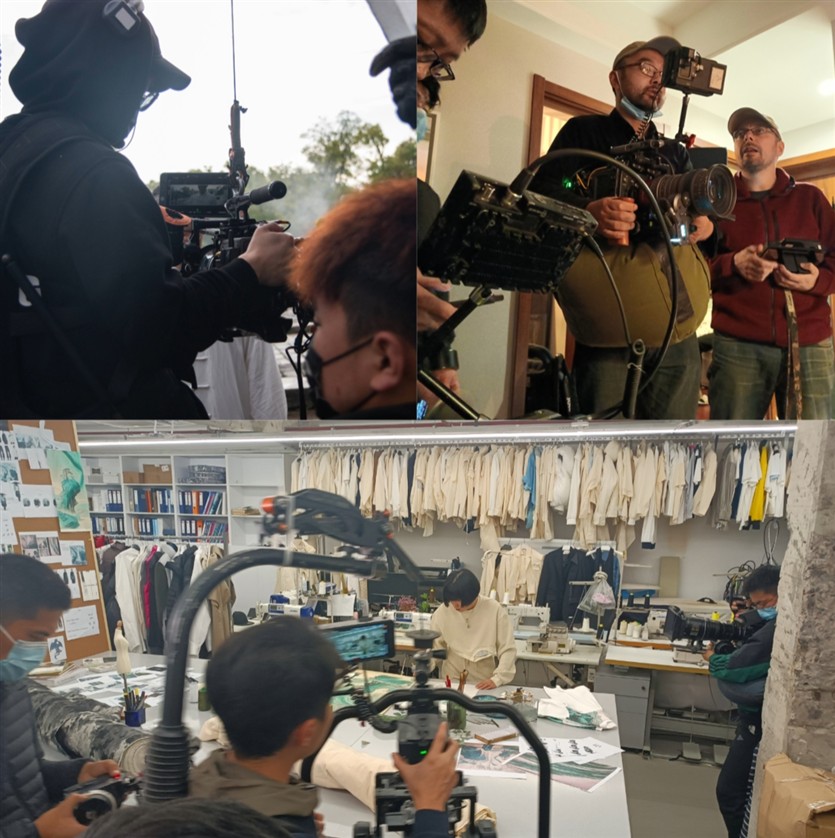
Filed under: ChengduTagged with:

Chengdu Documentary Fixer | Local Field Support

Need a Chengdu documentary fixer for a broadcast documentary, branded story, corporate documentary, interview shoot, field production, social impact film, or regional story in southwest China? A local bilingual fixer can help your overseas crew manage research, contributors, locations, translation, access, transport, and shoot-day coordination in Chengdu and nearby cities.

Chengdu is a strong base for documentary production in western China. It offers food culture, lifestyle stories, technology and gaming companies, healthcare and education projects, universities, urban development, regional business, tourism, and access to broader Sichuan and southwest China locations. At Shoot In China, we support international documentary teams with English-Chinese field production support, local crew, logistics, and post-production services.

Chengdu Documentary Fixer for International Crews

A Chengdu documentary fixer works as the local bridge between your visiting team and the people, places, and production details involved in the story. The role can include interpretation, but it often also involves contributor outreach, location access, local research, schedule planning, transport coordination, and field troubleshooting.

We can support:

  • Local research in Chengdu and Sichuan
  • Contributor outreach
  • Interview coordination
  • Field translation
  • Location access checks
  • Bilingual producer support
  • Local camera crew
  • Documentary DOP support
  • Sound recordist booking
  • Equipment rental
  • Transport and driver coordination
  • Release form support
  • Drone coordination where feasible
  • Rushes delivery
  • Translation, subtitles, and editing

The right level of support depends on your story, filming style, crew size, access situation, language needs, and final delivery requirements.

Why Documentary Crews Need Local Support in Chengdu

Documentary filming often changes quickly. A contributor may become available at short notice. A location may need approval from a company, school, hospital, restaurant, village contact, venue, or site manager. A public space may be visually strong but difficult for sound or camera access.

A local fixer helps check:

  • Whether the location is suitable
  • Who controls access
  • Whether filming is allowed
  • Whether written approval is needed
  • Whether contributors understand the project
  • Whether the schedule is realistic
  • Whether the area may be sensitive
  • Whether sound and light conditions work
  • Whether backup options are available
  • Whether transport timing is practical

These checks help the crew stay flexible while keeping the production organized.

Research and Story Preparation

Good documentary support often starts before the crew arrives. A Chengdu-based fixer can help with local research, contact verification, contributor communication, and basic cultural context.

Research support may include:

  • Background research
  • Local contact checks
  • Contributor lists
  • Initial phone or WeChat outreach
  • Availability checks
  • Interview suitability notes
  • Location suggestions
  • Access risk notes
  • Local context summaries
  • Schedule feasibility checks

For international crews, early Chinese-language communication can help build trust and reduce confusion before the filming day.

Contributor Outreach and Interview Coordination

Documentary interviews need clarity and trust. Contributors should understand who is filming, what the project is about, how the footage may be used, and what the filming process will involve.

A Chengdu documentary fixer can help with:

  • Interview scheduling
  • Contributor briefing
  • English-Chinese interpretation
  • Consent and release form support
  • Location confirmation
  • Arrival timing
  • Local follow-up
  • Translation notes for post-production

For personal, cultural, food, healthcare, education, or social impact stories, respectful communication is especially important. A good fixer helps explain the project clearly without putting unnecessary pressure on contributors.

Field Translation and On-Set Communication

Field translation is a key part of documentary work in Chengdu. The fixer may need to interpret during interviews, casual conversations, location checks, crew coordination, and everyday production logistics.

On-set support may include:

  • Live interpretation
  • Interview question translation
  • Contributor communication
  • Local crew coordination
  • Vendor communication
  • Driver and transport communication
  • Location manager communication
  • Safety and access explanations
  • Quick local context notes
  • Shoot-day troubleshooting

Good field translation is not only word-for-word language support. It also helps the director understand tone, hesitation, nuance, and local meaning.

Documentary Locations in Chengdu

Chengdu offers a wide range of documentary environments, from modern business districts to traditional neighborhoods, universities, hospitals, restaurants, creative spaces, parks, markets, tea houses, logistics sites, factories, and regional towns.

A local fixer can help check:

  • Who manages the location
  • Whether filming is permitted
  • Whether payment or written approval is required
  • Whether public filming is practical
  • Whether tripods, lights, or microphones are allowed
  • Whether security may intervene
  • Whether sensitive signage should be avoided
  • Whether the location works for sound
  • Whether backup locations are nearby

For documentary projects, a small and mobile crew is often more practical than a large production footprint.

Food, Culture, and Lifestyle Stories

Chengdu is often associated with food culture, tea houses, slow lifestyle, local neighborhoods, creative youth culture, music, nightlife, tourism, and everyday urban life. These stories can work well for documentary and branded documentary projects, but they still need careful local coordination.

Support may include:

  • Restaurant or market access
  • Chef or owner interviews
  • Local lifestyle contributors
  • Tea house or neighborhood filming
  • Cultural activity coordination
  • Street and public-space assessment
  • Small crew planning
  • Translation and release forms

Food and lifestyle filming often benefits from natural interaction, good timing, and a low-profile crew setup.

Healthcare, Education, and Social Impact Filming

Chengdu and Sichuan also offer strong stories around healthcare, education, community projects, social impact, NGOs, universities, schools, and public service themes.

A fixer can help with:

  • Institution communication
  • Interview scheduling
  • Contributor briefing
  • Access checks
  • Consent and release support
  • Sensitive subject handling
  • Translation during interviews
  • Location movement planning
  • Privacy and image control

For these projects, permission and contributor comfort are especially important. The filming process should be clear, respectful, and well organized.

Technology, Gaming, and Corporate Documentary Projects

Chengdu has a growing technology, gaming, digital media, healthcare, finance, and regional business environment. Documentary-style content can be useful for founder stories, company profiles, customer stories, recruitment films, innovation content, and brand documentaries.

We can support:

  • Founder interviews
  • Employee stories
  • Customer documentaries
  • Office and campus filming
  • Technology company profiles
  • Gaming and creative industry stories
  • ESG and sustainability films
  • Corporate documentary content
  • Internal communication videos

For corporate documentary projects, the goal is often to keep the story authentic while still meeting the client’s communication needs.

Factory, Industrial, and Supplier Documentary Filming

Chengdu and nearby cities in Sichuan can support industrial, logistics, manufacturing, energy, and supplier stories. These shoots often need careful planning around access, safety, and confidentiality.

A local fixer can help with:

  • Supplier communication
  • Factory access checks
  • Safety and PPE notes
  • Interview coordination
  • Production line filming routes
  • Confidentiality checks
  • Worker and engineer communication
  • Site movement planning
  • Drone or exterior filming checks
  • Rushes handover

Industrial documentary filming requires preparation. Screens, documents, customer names, labels, prototypes, drawings, and restricted areas may need to stay off camera.

Documentary Camera Crew and Equipment in Chengdu

Some documentary projects bring their own director, producer, or DOP. Others need a local crew in Chengdu. We can support both approaches depending on the project.

Crew options may include:

  • Documentary DOP
  • Camera operator
  • Sound recordist
  • Camera assistant
  • Bilingual fixer
  • Bilingual producer
  • Production assistant
  • Photographer
  • Driver and van support
  • Drone operator where suitable
  • DIT or data wrangler

Equipment options may include:

  • Documentary camera packages
  • Mirrorless camera kits
  • Prime and zoom lenses
  • Wireless microphones
  • Boom microphone kits
  • Lightweight LED lighting
  • Tripods
  • Gimbals
  • Monitors
  • Data backup tools

For documentary filming, mobility and speed often matter more than a heavy equipment package.

Bilingual Producer Support for Larger Projects

For larger shoots, a bilingual producer may be useful alongside the fixer. The producer can help manage the wider production structure while the fixer supports field communication and local details.

Bilingual producer support may include:

  • Production planning
  • Local budget coordination
  • Crew booking
  • Equipment planning
  • Schedule building
  • Location communication
  • Permission workflow
  • Contributor coordination
  • Local logistics
  • Remote client updates
  • Shoot-day management
  • Post-production handover

This is useful when the project involves multiple filming days, several contributors, complex access, or coordination between overseas clients and Chinese local contacts.

Regional Documentary Support From Chengdu

Chengdu is a practical base for documentary shoots across Sichuan and southwest China. Depending on the project, we can help coordinate filming in nearby or connected cities and regions.

Possible regional coverage includes:

  • Chengdu
  • Chongqing
  • Mianyang
  • Deyang
  • Leshan
  • Yibin
  • Luzhou
  • Dujiangyan
  • Ya’an
  • Guiyang
  • Kunming
  • Xi’an
  • Other southwest China locations

For regional shoots, planning should include travel time, route conditions, local contacts, contributor timing, equipment movement, hotel booking, and backup schedules.

Public-Space and Sensitive Location Filming

Public-space filming in Chengdu depends on the location, crew size, equipment, subject, and timing. A small documentary crew may be able to work lightly in some places, while other locations may require permission or may not be suitable.

A local fixer can help assess:

  • Whether the area is sensitive
  • Whether a small crew is practical
  • Whether tripods or lights may attract attention
  • Whether security may stop filming
  • Whether backup areas are nearby
  • Whether the scene can be filmed in a lower-profile way
  • Whether permission should be requested first

A realistic local approach is usually better than assuming every public space can be filmed freely.

Transport and Field Logistics

Documentary days can change quickly, so logistics matter. A contributor may change timing. A second location may be added. Traffic may affect the schedule. Equipment may need to stay mobile.

Local logistics may include:

  • Driver and vehicle coordination
  • Train or flight planning
  • Hotel coordination
  • Equipment movement
  • Route planning
  • Meal and break planning
  • Location timing
  • Local contact list
  • Backup schedule planning
  • Rushes delivery plan

Good logistics are not always visible in the final film, but they often decide whether the crew gets the footage they need.

Remote Documentary Production in Chengdu

Some overseas clients need documentary footage from Chengdu without sending their own producer, director, or client team. Remote documentary production can work when the brief is clear and the local team understands the story and visual style.

Remote support may include:

  • Local research
  • Contributor coordination
  • Interview setup
  • Local camera crew
  • Field translation
  • Remote viewing where feasible
  • Live client communication
  • Proxy file upload
  • Translation notes
  • Rushes delivery
  • Editing and subtitle support

Remote documentary work needs careful preparation. Interview questions, shot priorities, visual references, release forms, file formats, and delivery workflow should be confirmed before filming.

Post-Production, Translation, and Subtitles

Documentary projects often need language support after filming. We can help with translation, subtitles, interview notes, selects, editing, and final delivery.

Post-production support may include:

  • Rushes organization
  • Interview translation
  • Transcription support
  • English-Chinese subtitles
  • Video editing
  • Story selects
  • Color correction
  • Sound mix
  • Motion graphics
  • Social media cutdowns
  • Delivery for broadcast, web, internal use, or presentations

For bilingual documentary projects, clear translation notes can save time during editing and help overseas teams understand the strongest moments.

What to Prepare Before Booking

To recommend the right support, it helps to share:

  • Shoot dates
  • City or cities
  • Documentary subject
  • Number of filming days
  • Number of contributors
  • Current access status
  • Interview needs
  • Location types
  • Crew size
  • Equipment needs
  • Translation needs
  • Transport needs
  • Drone or outdoor filming needs
  • Remote viewing needs
  • Release form requirements
  • Delivery format
  • Budget range

The brief does not need to be final. Even a rough outline helps us suggest the right level of fixer, producer, crew, equipment, logistics, and post-production support.

Why Work With Shoot In China

Since 2012, Shoot In China has supported international productions across China with bilingual producers, fixers, camera crews, equipment rental, location coordination, logistics, and post-production.

For documentary projects, we focus on practical local support: clear communication, respectful contributor handling, realistic access checks, flexible field logistics, and calm shoot-day coordination. Our role is to help overseas crews tell stories in Chengdu and southwest China with fewer avoidable problems.

We can support:

  • Chengdu documentary fixer services
  • Bilingual producer support
  • Contributor research and outreach
  • Field translation
  • Location access checks
  • Documentary camera crew
  • Sound, lighting, and equipment rental
  • Food, culture, lifestyle, corporate, industrial, and field filming
  • Remote documentary production
  • Editing, translation, subtitles, and post-production

Book a Chengdu Documentary Fixer

If you need a Chengdu documentary fixer for a broadcast, feature documentary, corporate documentary, branded story, interview project, field shoot, food culture story, social impact film, factory story, or regional documentary production, Shoot In China can help coordinate practical local support.

Send us your shoot dates, story outline, contributor needs, access status, crew requirements, equipment needs, and delivery timeline. We can recommend a realistic setup for your documentary production in Chengdu.

📩 Contact: [email protected]

Filed under: ChengduTagged with:

Expert Kunming Filming Support for High-Quality Video Production

Why Choose Kunming for Your Next Video Production Project?

Kunming, the capital of Yunnan Province, is a filmmaker’s paradise. Known as the ‘City of Eternal Spring,’ its mild climate, stunning landscapes, and vibrant culture make it an ideal location for corporate videos, documentaries, and commercial shoots. However, navigating the complexities of filming in Kunming requires local expertise and a reliable production partner. That’s where we come in.

Comprehensive Filming Support in Kunming

At Shoot in China, we specialize in providing end-to-end production services tailored to your needs. Whether you’re planning a corporate video, a documentary, or a high-end commercial, our team ensures seamless execution from pre-production to post-production. Here’s how we can help:

Bilingual Crews and Local Fixers

Our bilingual teams are fluent in both English and Mandarin, ensuring clear communication with local authorities, talent, and vendors. With over a decade of experience in China, we have built strong relationships with local fixers who can expedite permits, secure locations, and handle logistics efficiently.

Location Scouting and Permits

Kunming offers a diverse range of filming locations, from the iconic Stone Forest to the bustling streets of the city center. Our team conducts thorough location scouting to find the perfect backdrop for your project. We also handle all necessary permits, ensuring compliance with local regulations.

State-of-the-Art Equipment

We provide access to top-tier equipment from brands like Canon, Sony, and Arri. Whether you need high-end cameras, professional lighting setups, or licensed drone pilots for aerial shots, we have the tools to bring your vision to life.

Post-Production Excellence

Our post-production services include English and Mandarin editing, animation, motion graphics, and video localization. With a keen eye for detail, we deliver polished final products that resonate with your target audience.

Why Partner with Shoot in China?

With over 1,600 projects completed across China, we bring unparalleled expertise to every production. Our team includes award-winning filmmakers, experienced producers, and skilled technicians who understand the nuances of filming in diverse locations. From Shanghai to Kunming, we operate seamlessly across mainland China, offering consistent quality and reliability.

Client Benefits of Choosing Our Services

  • Efficiency: Our local knowledge and network save time and reduce costs.
  • Quality: We use cutting-edge technology and industry best practices to ensure top-notch results.
  • Flexibility: Whether it’s a one-day shoot or a multi-week project, we adapt to your schedule and requirements.
  • Peace of Mind: From permits to post-production, we handle every detail so you can focus on your creative vision.

Case Study: Filming in Kunming

Recently, we supported a global brand in producing a commercial showcasing Kunming’s natural beauty. Our team managed location scouting, secured permits, and provided a bilingual crew equipped with Arri cameras and drone technology. The result was a visually stunning video that captured the essence of the city while meeting tight deadlines.

Contact Us Today

Ready to bring your project to life in Kunming? Contact us today for expert filming support services in China. Let us handle the logistics while you focus on creating unforgettable content.

Email: [email protected]

Address: 8th Floor, Fude Plaza, 1688 Sichuan Bei Road, Hong Kou District, Shanghai 200080

Filed under: ChinaTagged with: , , , ,